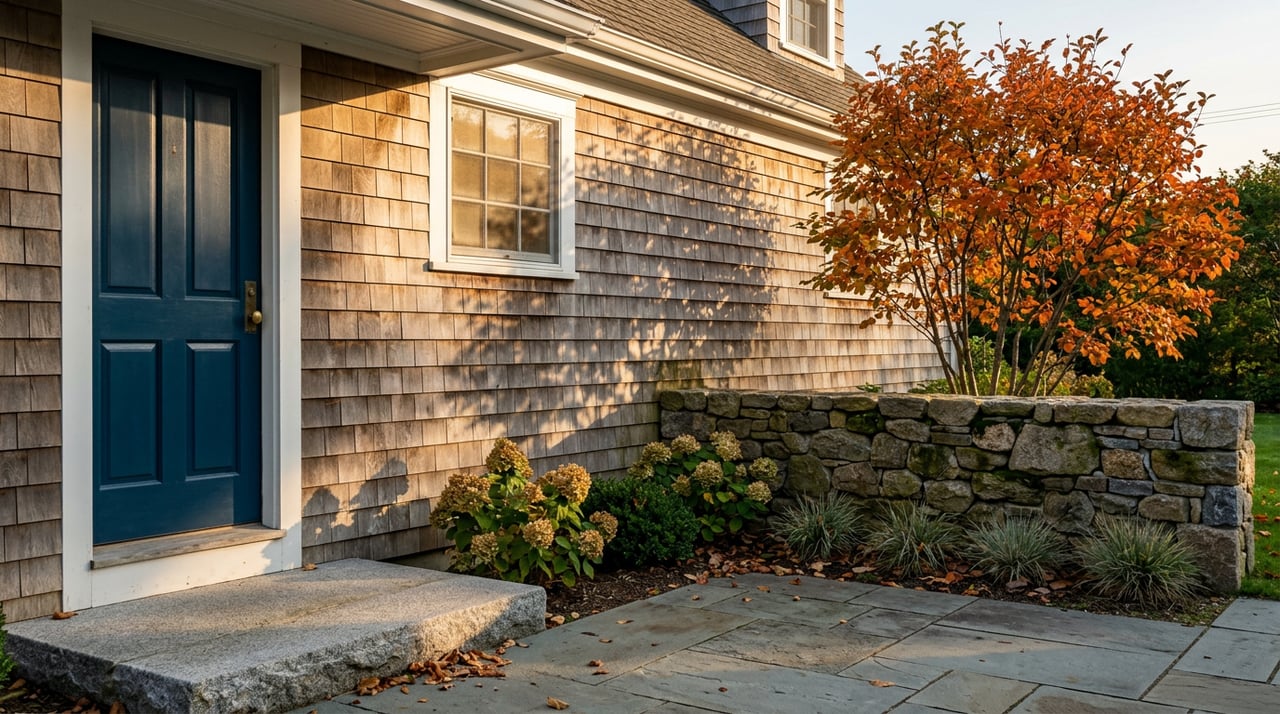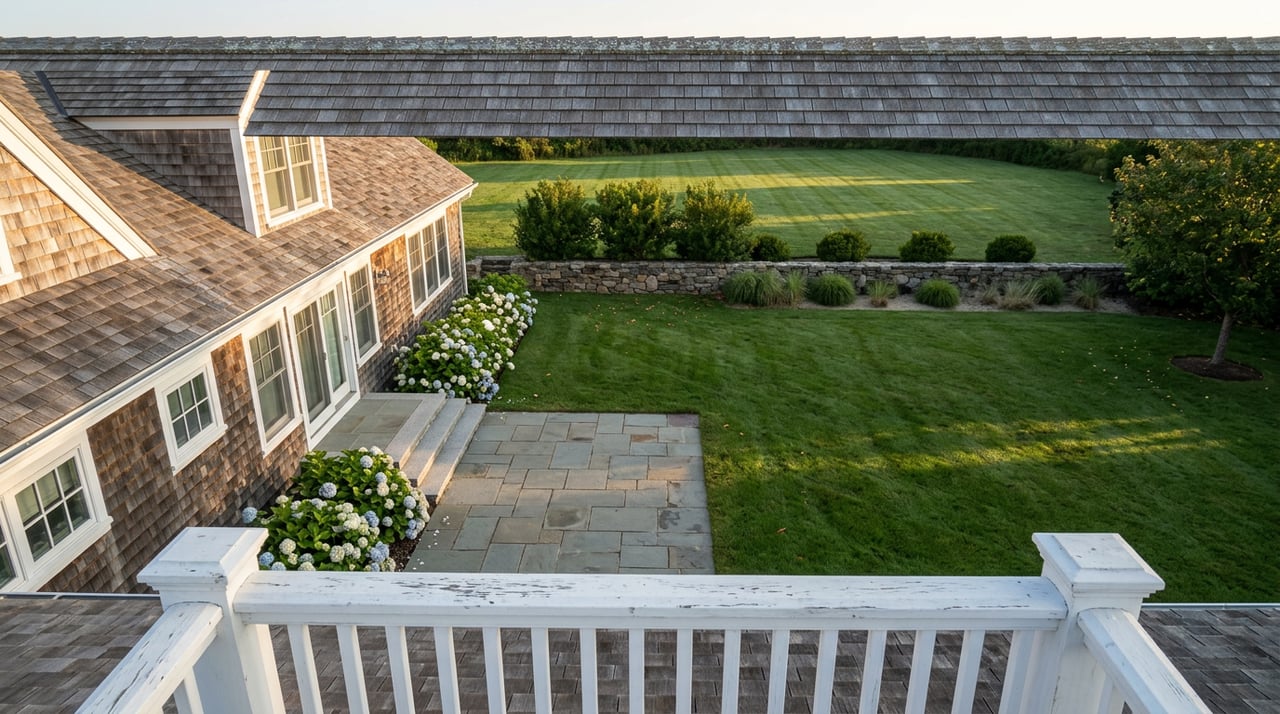
Picture two listings that hit the market in Marshfield this fall, both asking close to $900,000, both with four bedrooms, both a short bike ride from the water. On paper, they look interchangeable. One closes in five weeks without a hiccup. The other stalls for two months while a buyer's attorney waits on a Title 5 inspection report, a Board of Health opinion, and a contractor's estimate for a system upgrade nobody mentioned at the open house.
The difference wasn't square footage or finishes. It was what's buried in the yard.
Marshfield runs on two separate wastewater systems, town sewer in some areas and private septic in others, and which one serves a given house has almost nothing to do with its price point or its neighborhood's reputation. It has to do with when that street was built and whether the town's sewer lines ever reached it. That single fact, invisible on a listing sheet, can add real weeks to a transaction and real dollars to a buyer's true cost of ownership.
The Line Running Through Marshfield's Village Map
Marshfield isn't one plumbing system with a few exceptions. It's a patchwork, and the town's own sewer ordinance says so directly. Marshfield's municipal code lays out a phased buildout tied to the town's Wastewater Treatment Project, with betterment charges assessed street by street as sewer lines get extended into what the ordinance calls "presently unsewered areas." That phrase is the whole story in five words. Large sections of town were never wired into the system to begin with, and expansion has happened one funded, voted-on segment at a time rather than all at once.
Ask around Marshfield's coastal villages, Brant Rock, Ocean Bluff, Green Harbor, Humarock, Rexhame, Fieldston, Sea View, and you'll hear septic and sewer come up constantly, often for the same street. That's because coverage doesn't track neatly to neighborhood boundaries. Two houses across the street from each other can be on entirely different systems depending on which side of a decades-old construction phase they happened to land on.
The town's own rule makes this even more consequential going forward. Under Marshfield's sewer regulations, any property that abuts a street where public sewer already runs is required to connect at the owner's expense. If your street gets sewer lines extended after you've bought, connection isn't optional. A homeowner on private septic today could be looking at a mandatory connection fee, currently set at a minimum of $1,000 and reviewed by the Board of Public Works every three years, the moment a Town Meeting vote funds a project on their block.
What Title 5 Actually Requires, and When
If a house is on septic, Massachusetts state law, not just local custom, dictates when an inspection has to happen. Title 5 of the state's environmental code requires an inspection in several specific situations:
- Within two years before a property sale, or within six months after if weather prevents inspection at the time of sale
- When a proposed change to the property requires a building or occupancy permit that expands the facility, such as adding a bedroom
- When the Board of Health or the state's environmental agency orders one
- Every three years for systems shared by multiple properties
- Every three years for condominiums with five or more units, or before transfer for smaller associations, per unit
That last point matters for anyone eyeing a condo or a small multi-unit property in Marshfield's near-water pockets, both squarely inside the kind of purchase this market sees regularly. A shared system doesn't get the two-year buyer's grace period. It gets checked on a fixed clock regardless of who's selling.
Once an inspection happens, it's valid for two years. If the system has been pumped annually with documented records, that window stretches to three years. Certain transfers, including some between family members and properties held in trust, are exempt from the inspection requirement altogether, though the specifics are worth confirming with the Board of Health before assuming an exemption applies.
None of this guarantees anything about the future. The state's own guidance is explicit that a passing inspection confirms the system's current condition, not that it will keep functioning without issue. A pass is a snapshot, not a warranty.
Marshfield Adds Its Own Layer
State law sets the floor. Marshfield's Board of Health builds on top of it. The town reserves the right to require a soil evaluation as part of any Title 5 inspection specifically to determine seasonal high groundwater, a real consideration on a coastal water table that moves throughout the year. And Marshfield requires something the state code leaves more open-ended: any system still running on a single cesspool has to be fully upgraded to a Title 5 conforming system. There's no partial credit for a cesspool that's technically still functioning. If that's what a seller has, an upgrade is coming, and the only real question is whether it happens before the sale or gets negotiated into it.
For a home in one of the town's older shorefront sections, where a cesspool from decades past is a real possibility rather than a hypothetical, this is the detail that turns a routine inspection into a design and permitting project. Percolation tests, soil evaluations, and installer applications all run through the town's Public Health office, and none of it moves quickly during peak season.
What This Means When You're Comparing Two Listings at the Same Price
As of June 2026, Marshfield's median list price sat at $899,900, with homes averaging 24 days on market and 59 active listings citywide, working out to roughly $447 per square foot. Those numbers describe a market where buyers don't have much runway. Three and a half weeks is not a lot of time to discover, mid-negotiation, that a house you love needs a system evaluation the seller never scheduled.
This is where the median price becomes a less useful number than it looks. Two listings at $899,900 can carry entirely different real costs depending on what's underground. A house on town sewer with a manageable annual bill is a known, stable line item. A house on an aging septic system that hasn't been inspected in years is an unknown one, and unknowns in a market moving this fast get resolved under time pressure rather than careful planning. The list price tells you what a seller wants. It says nothing about which system is under the lawn, and that's the number that actually shows up in your closing costs and your first few years of ownership.
Questions Worth Asking Before You Write an Offer
- When was the property's last Title 5 inspection, and does the seller have the report?
- If the system has been pumped annually, are those pumping records available to extend the inspection's validity?
- Is the system a cesspool, and if so, has an upgrade already been scoped or scheduled?
- Has the Board of Health flagged anything on this property, including a soil evaluation requirement?
- Is the street on any pending sewer extension plan that could trigger a future betterment charge?
Getting answers to these before you're deep into a purchase and sale agreement is the difference between negotiating from information and negotiating from surprise.
A Few Questions We Hear Often
How long is a Title 5 inspection valid? Two years from the inspection date for a standard sale, extending to three years if the system has been pumped annually with documented records.
Does a passing inspection mean the septic system won't fail later? No. The inspection confirms the system's condition at the time it was tested. It doesn't guarantee future performance.
What if I'm buying from a family member? Certain transfers between family members and properties held in trust can be exempt from the Title 5 requirement, but the details vary and should be confirmed with Marshfield's Board of Health before you assume it applies.
If my street gets town sewer after I've already bought on septic, do I have to connect? Under Marshfield's sewer regulations, yes. Properties abutting a street with public sewer are required to connect, with a connection fee currently set at a minimum of $1,000.
Whether you're comparing a shorefront cottage in Brant Rock against a sewered property in South River, or trying to figure out what a cesspool upgrade might mean for your timeline, this is exactly the kind of detail that belongs in your decision before it becomes a surprise during your inspection period. Brita Sheehan has spent more than thirty years working these streets and knows which questions to ask a seller's agent before you're three weeks into a deal. Schedule a complimentary home consultation or get your instant home valuation to start with the full picture, not just the list price.