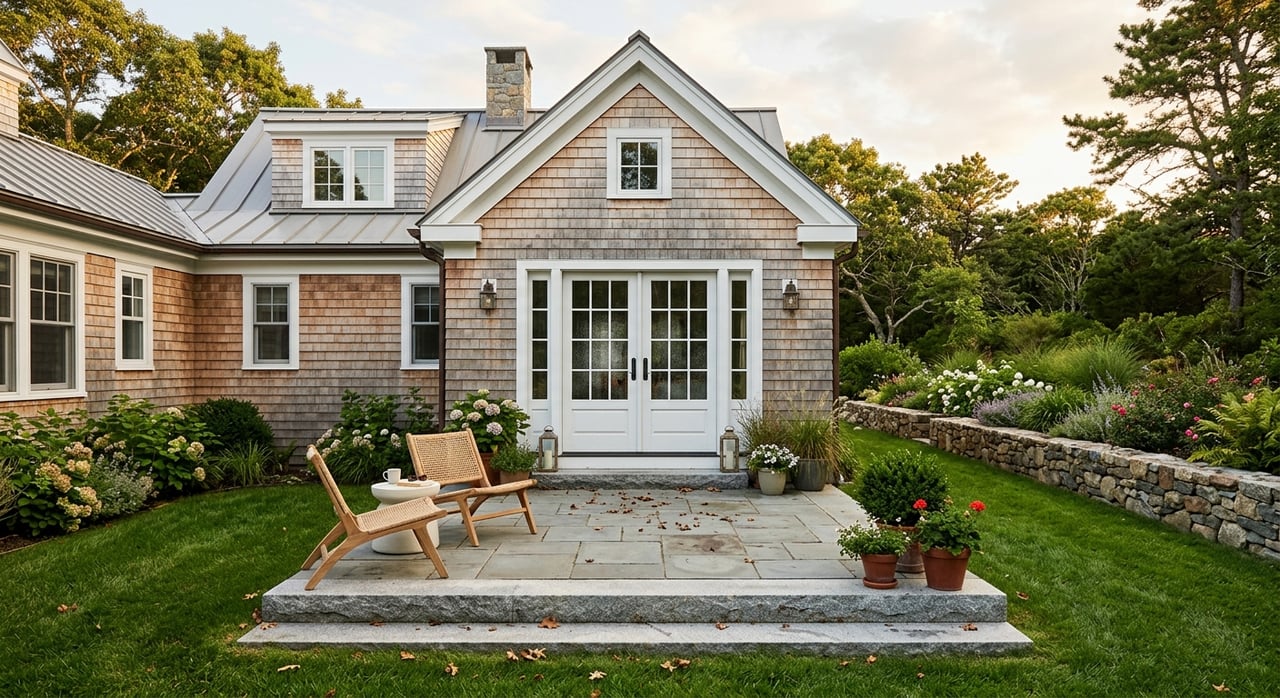
If you are thinking about buying in Marshfield, the biggest question usually is not whether the town is appealing. It is which version of Marshfield fits your life best. From beachside villages to more inland settings, this coastal South Shore town offers very different day-to-day experiences. In this guide, you will see the key tradeoffs to weigh before you tour so you can narrow your search with more confidence. Let’s dive in.
Why Marshfield draws buyers
Marshfield sits about 29 miles southeast of Boston and offers a mix of coastal living, village identity, and year-round convenience. Town planning documents describe ten distinct villages or areas, including North Marshfield, Marshfield Hills, Downtown, Brant Rock, Ocean Bluff, Rexhame, Fieldston, and Green Harbor.
It is also a town with a strong ownership base. U.S. Census QuickFacts estimates Marshfield’s population at 26,043 in 2024 and 26,826 in 2025, with 80.8% of housing units owner-occupied. The median value of owner-occupied homes is $680,300, and median monthly owner costs with a mortgage are $3,070, which makes budget clarity especially important before you start writing offers.
Beach access versus storm exposure
For many buyers, this is the defining Marshfield tradeoff. You may love the idea of being able to walk or bike to the water, enjoy beach views, or fully lean into a coastal lifestyle. At the same time, the town’s coastal planning documents make it clear that shoreline living can come with more exposure to flooding, erosion, storm splash, and repetitive loss.
Town coastal reports describe Marshfield’s shoreline as a mix of barrier beaches at Rexhame and Fieldston and eroding coastal banks at Ocean Bluff, Brant Rock, and Blackman’s Point. The same reports note that seawalls built in the 1930s remain the primary protection for some backshore homes and infrastructure, and that winter erosion regularly affects the shorefront.
If you are drawn to coastal villages such as Rexhame, Fieldston, Ocean Bluff, Brant Rock, or Green Harbor, it helps to go in with open eyes. These areas are closely tied to the beach lifestyle, but local resilience planning also identifies parts of the Esplanade, Brant Rock, Ocean Bluff, Rexhame Beach, Route 139, and other coastal road segments as vulnerable to flooding and erosion.
By contrast, homes set farther inland may give you more separation from the shoreline and often a different maintenance picture. You may also find more usable yard space and a quieter, less beach-centric feel. The tradeoff is simple: the farther you get from the water, the less immediate that classic Marshfield coastal experience may feel.
Questions to ask yourself about coastal living
- Do you want to walk to the beach, or are you comfortable driving to it?
- How important are water views compared with lot size and yard usability?
- Are you prepared for the maintenance and site conditions that can come with near-water property?
- Would a little more distance from the shore make your day-to-day life easier?
Newer homes versus older character
Another common buying decision in Marshfield comes down to condition and style. Do you want newer systems, a more current floor plan, and less immediate work? Or do you prefer an older home with more individuality and village character?
Marshfield’s housing plan says the town has relied on a limited number of larger projects, including Ocean Shores, Modera at Marshfield, and 55-plus condominiums, while also noting that opportunities for large-scale development are limited. That means buyers looking for newer or recently redeveloped options may be shopping from a smaller pool.
On the other hand, much of Marshfield’s identity comes from older, more established housing. Local planning documents reference historic places such as the Winslow House and the Daniel Webster Estate, which reflects how strongly history and character remain part of the town’s appeal.
Neither path is automatically better. A newer home may offer a more efficient layout and fewer near-term projects, while an older home may give you a setting that feels more rooted in the town’s local character. The key is knowing whether you want convenience first or charm first.
Signs your priorities lean newer
- You want lower short-term maintenance
- You prefer updated systems and layouts
- You do not want a major renovation project soon after closing
- You value predictability in your first few years of ownership
Signs your priorities lean character-driven
- You like homes with distinct style and history
- You are open to updates over time
- You care more about setting and feel than having everything brand new
- You want a home that feels tied to one of Marshfield’s village areas
Convenience versus a quieter setting
Marshfield is not a rail town in the same way some Boston suburbs are. Planning documents state that the town is considered an Adjacent Community because it is next to the Greenbush commuter rail station in Scituate, but there is no MBTA station within a mile and a half of the town line.
That matters if your routine depends on getting around efficiently. In Marshfield, most buyers should think in terms of road access, car-based errands, and local bus routes rather than expecting in-town rail service.
The Route 139 corridor stands out as one of the town’s most practical daily-use areas. A local planning presentation identifies the north side of Route 139, from roughly School Street east to the high school and middle school, as a best-fit area for MBTA Communities zoning because it is along the GATRA route and close to Route 3, schools, a supermarket, restaurants, other businesses, and the town dog park.
For you, that creates a very real lifestyle choice. Living closer to Route 139 may make errands, commuting, and everyday logistics easier. Living farther from that corridor may feel more removed and residential, but it can also add more driving to your week.
Commute tradeoffs to test before touring
Marshfield’s mean commute time is 34.5 minutes, according to U.S. Census QuickFacts. That does not tell you what your drive will feel like, but it does suggest that route planning matters.
If you work in Boston or another employment center, it is worth testing your likely commute before you get too attached to a location. That means driving your route at the time you would actually leave, not just checking a map in the middle of the day.
Practical commute questions
- Will you rely mainly on Route 3 and Route 139?
- Do you want occasional access to commuter rail in neighboring Scituate?
- How much weekday driving are you willing to accept for a quieter setting?
- Are school drop-offs, errands, and work travel all pulling you toward the same part of town?
How Marshfield areas often match buyer goals
While every home is different, buyers often sort Marshfield by broad lifestyle fit.
Beach-first priorities
If your vision of home centers on sand, salt air, and easy shoreline access, you will likely focus on Rexhame, Fieldston, Ocean Bluff, Brant Rock, and Green Harbor. These areas are most closely tied to the beach lifestyle, but they also overlap with the town’s more flood- and erosion-prone shorefront areas.
Convenience-first priorities
If your daily routine matters as much as the setting, Downtown, West Marshfield, and the Route 139 corridor may deserve a close look. These areas tend to align more easily with errands, school access, and car-based commuting.
Character-first priorities
If you are drawn to a more historic New England feel, Marshfield Hills and older village-center areas may stand out. In these parts of town, the appeal often comes from established surroundings and more individualized homes rather than a new-construction-heavy housing stock.
Budget discipline matters early
Marshfield’s housing plan notes that rising home prices and interest rates have made ownership harder for many residents. In a town with a predominantly owner-occupied housing market and a median owner-occupied home value of $680,300, your budget needs to be grounded in the full monthly picture, not just the purchase price.
That is especially true if you are considering a coastal property, an older home that may need updates, or a location that changes your commute costs. The more honest you are about your comfort zone up front, the easier it becomes to identify the right tradeoffs.
Costs to think through before you shop
- Monthly housing payment
- Expected maintenance and repair needs
- Commute-related fuel and time costs
- The financial impact of prioritizing beach proximity or newer condition
A smart way to narrow your search
Before you book a full weekend of tours, try ranking your top priorities from one to five. Keep it simple and focus on the factors most likely to shape your daily life.
For example, your list might include beach access, commute convenience, yard space, home condition, or village character. Once you know your top two or three non-negotiables, Marshfield becomes much easier to shop with clarity.
A focused search is often what helps buyers avoid a frustrating pattern of loving one feature and overlooking a bigger lifestyle mismatch. In a town with this much variety, the goal is not just to find a nice house. It is to find the version of Marshfield that works for you.
If you want help sorting through Marshfield’s village-by-village tradeoffs, local buying strategy, or waterfront versus inland options, Brita Sheehan offers thoughtful, hands-on guidance tailored to how you actually want to live.
FAQs
What are the biggest tradeoffs when buying a home in Marshfield?
- The main tradeoffs are beach access versus storm exposure, newer construction versus older character, and everyday convenience versus a quieter setting farther from the main road corridors.
Which Marshfield areas appeal most to beach-focused buyers?
- Buyers who want a beach-first lifestyle often focus on Rexhame, Fieldston, Ocean Bluff, Brant Rock, and Green Harbor because these areas are closely connected to the shoreline.
Is Marshfield a good fit if you need commuter rail access?
- Marshfield is next to the Greenbush commuter rail station in Scituate, but it does not have an in-town station close to the town line, so most buyers should expect a car-based routine.
What part of Marshfield is convenient for errands and commuting?
- Downtown, West Marshfield, and the Route 139 corridor are often practical choices for buyers who want easier access to Route 3, local businesses, and everyday services.
Why is budget planning so important when buying in Marshfield?
- Marshfield has a mostly owner-occupied housing market, a median owner-occupied home value of $680,300, and rising affordability pressure, so it is important to match your purchase to your monthly comfort level and likely upkeep needs.