If you are wondering whether Marshfield feels like a true beach town, a practical Boston-area suburb, or something in between, the honest answer is all three. Daily life here is shaped by the coast, the seasons, and a village-style layout that gives different parts of town their own rhythm. If you are thinking about moving to Marshfield, this guide will help you understand what living here really looks like day to day. Let’s dive in.
Marshfield at a glance
Marshfield is a coastal town in Plymouth County, about 30 miles south of Boston. Census estimates put the population at 26,043 in 2024, while town planning materials describe roughly 25,000 year-round residents and about 40,000 in the summer.
That seasonal swing is a big part of the town’s personality. Marshfield can feel quieter and more relaxed in the off-season, then noticeably busier once summer arrives. For many buyers, that mix is part of the appeal.
Village life shapes the town
One of the first things you notice about Marshfield is that it does not revolve around one compact downtown. Instead, it is made up of village areas such as Marshfield Hills, Downtown, Rexhame, Fieldston, Ocean Bluff, Brant Rock, and Green Harbor.
That layout gives the town a more spread-out, neighborhood-driven feel. Your day-to-day experience can vary depending on where you live, what roads you use most often, and how close you are to the shoreline.
For buyers, this matters because Marshfield does not offer just one version of coastal living. Some areas feel more tucked away and residential, while others are more connected to beach activity, seasonal traffic, and waterfront routines.
Housing feels settled and mostly owner-occupied
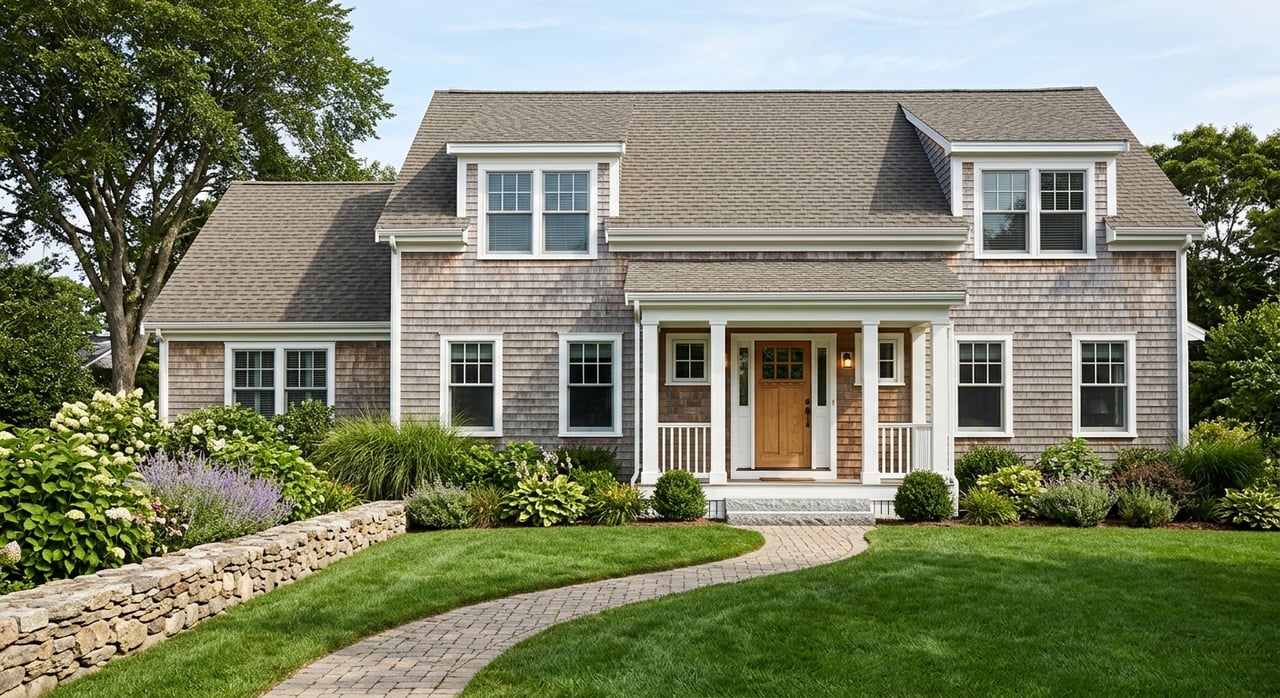
Marshfield has a strong single-family-home identity. Town parcel data shows 9,378 single-family parcels compared with just 83 multifamily parcels, and Census QuickFacts reports an 80.8% owner-occupied housing rate.
In simple terms, Marshfield tends to feel like a settled, mostly owner-occupied coastal suburb rather than a renter-heavy community. If you are looking for single-family neighborhoods, that pattern shows up clearly in the housing stock.
QuickFacts also reports a median owner-occupied home value of $680,300 and a median gross rent of $1,772. Those numbers help frame Marshfield as a market where many households are putting down roots for the long term.
Beaches are part of everyday life
In Marshfield, the coast is not just scenery. Town regulations describe beaches and tidal flats as iconic town features and some of its most heavily used recreation areas.
People use these spaces in many ways, including beachgoing, shellfish harvesting, fishing, and boating. Town planning documents also note that the coastal environment is one of the main reasons people move to and visit Marshfield.
That means living here often comes with a real connection to the water. Even if you are not right on the shoreline, the beach-centered lifestyle influences recreation, routines, traffic patterns, and the overall feel of town.
Summer and winter feel very different
Marshfield is one of those places where the seasons truly shape local life. Summer brings more people, more activity, and a stronger sense of being in a coastal destination.
Town planning materials point to recurring events like the Marshfield Fair, Levitate Festival, Lobsterfest, and the annual St. Patrick’s Day 5K. These events help give Marshfield a lively seasonal calendar, especially during warmer months.
The off-season can feel much calmer. That contrast is helpful to understand before you move, especially if you are deciding how much you want year-round energy versus a quieter everyday pace.
Coastal living comes with real tradeoffs
The same shoreline that makes Marshfield attractive also creates practical concerns. Town hazard planning documents note that shoreline change is seasonal, with beaches tending to build up in summer and erode in winter during stronger storm periods.
The town also identifies several low-lying coastal areas as vulnerable to flooding and storm impacts, including Brant Rock, Rexhame, Ocean Bluff, Green Harbor, and corridors around Route 139 and Ocean Street. Much of the shoreline is protected by seawalls, bulkheads, and jetties, which shows how central coastal management is here.
If you are considering a near-water or waterfront property, these realities deserve close attention. Understanding flood exposure, storm patterns, and location-specific conditions is a key part of buying smart in Marshfield.
Weather is classic coastal New England
Marshfield’s climate reflects its coastal setting. Town planning data reports about 48.8 inches of rain and 59 inches of snow each year.
Summer highs are typically in the upper 70s to low 80s, while winter lows often land in the low to mid-20s. That means you get the appeal of mild summer beach weather, but also the maintenance and planning that come with New England winters.
For some buyers, that four-season rhythm is exactly what they want. For others, it is a reminder to think carefully about commute habits, property upkeep, and storm-season preparedness.
Marshfield is largely a driving town
If you live in Marshfield, you will likely spend a lot of time in the car. The town maintains about 140 miles of roadway, and planning materials note that summer population growth can create considerable congestion on arterial roads.
Route 3A and parts of Route 139 are state-maintained, and Route 139 also links into the town’s emergency evacuation route to Route 3. That road network matters for everyday travel, but it also plays an important role during storms and coastal events.
For many residents, driving is simply part of the lifestyle. Whether you are heading to work, school, errands, or the beach, planning around roads and seasonal traffic is part of living here.
Public transit is available, but limited
Marshfield does have public transit options, but they are more limited than in rail-oriented suburbs closer to Boston. GATRA’s SAIL route serves Marshfield, Duxbury, and Kingston, with stops including Brant Rock, Green Harbor General Store, and the Marshfield Senior Center.
The route also connects to Kingston Train on weekdays only. GATRA offers Dial-A-Ride service for eligible seniors and residents with disabilities who cannot access public transportation.
Census QuickFacts lists Marshfield’s mean travel time to work at 34.5 minutes. Put together, the picture is clear: Marshfield works best if you are comfortable with a car-first routine, while using bus service as a helpful supplement rather than your main transportation plan.
The town supports everyday routines well
For many households, Marshfield offers the kinds of community anchors that make daily life easier to manage. Marshfield Public Schools lists one high school, one middle school, five elementary schools, and early childhood education.
That structure gives the town a classic public-school-town feel. It often appeals to buyers who are thinking about routines like drop-offs, after-school activities, sports, and staying rooted in one community over time.
Beyond the school system, Ventress Memorial Library serves as a civic anchor on Ocean Street. The town also supports residents through services like the Senior Center, which the Council on Aging describes as a gateway to aging-in-place resources and notes has been nationally accredited since 2019.
The Recreation Department is another part of daily life for many residents. Town reporting describes it as a hub for recreation, sports, physical education, youth groups, adult and senior citizens, and beach and outdoor facilities.
What daily life really feels like
So what is it really like to live in Marshfield? In many ways, it feels like a beach-centered South Shore town where local routines are shaped by village neighborhoods, single-family housing, and a strong connection to the coast.
You get a community with year-round residents, but also a clear summer shift in pace and population. You get access to beaches and coastal recreation, but also the realities of flooding, storms, and winter shoreline change.
You get proximity to Boston, but not the convenience of frequent rail service at your doorstep. For the right buyer, that tradeoff feels worthwhile because Marshfield offers a lifestyle that is hard to replicate elsewhere on the South Shore.
Who Marshfield tends to suit best
Marshfield can be a strong fit if you want:
- A coastal town with a lived-in, year-round feel
- Village-style neighborhoods instead of one centralized downtown
- A housing market centered on single-family homes
- Access to beaches, boating, and outdoor recreation
- A community where seasonal events add energy to the calendar
- A Boston-area location where driving is part of everyday life
It may require more thought if you want:
- Frequent public transit as your main way to get around
- A fully walkable town center as the heart of daily life
- Less exposure to coastal weather and flood-related considerations
- A place that feels the same in every season
Why local guidance matters in Marshfield
Marshfield is the kind of market where small location details can make a big difference. Two homes may both have a Marshfield address, but the day-to-day experience can vary based on village setting, road access, proximity to the shoreline, and how a property fits your routine.
That is especially true if you are comparing inland neighborhoods with near-water areas, or balancing commute needs with lifestyle goals. It helps to work with someone who understands how the town functions beyond the listing photos.
If you are buying, selling, or simply trying to figure out whether Marshfield is the right fit, local perspective can help you make a more confident decision. For personalized guidance on Marshfield and nearby South Shore communities, connect with Brita Sheehan.
FAQs
What is the overall feel of living in Marshfield?
- Marshfield feels like a coastal South Shore town with village-style neighborhoods, a strong single-family-home presence, and a lifestyle that changes noticeably between the quieter off-season and the busier summer months.
Is Marshfield a good town for commuters to Boston?
- Marshfield is about 30 miles south of Boston, and many residents commute by car or use connections tied to Kingston Train, but the town functions primarily as a driving community rather than a frequent-transit suburb.
What types of homes are most common in Marshfield?
- Marshfield is dominated by single-family housing, with town parcel data showing far more single-family parcels than multifamily parcels and an owner-occupied housing rate of 80.8%.
What should buyers know about coastal risks in Marshfield?
- Town planning documents identify low-lying coastal areas such as Brant Rock, Rexhame, Ocean Bluff, Green Harbor, and parts of Route 139 and Ocean Street as vulnerable to flooding and storm impacts, so location-specific due diligence is important.
Does Marshfield have a traditional downtown?
- Marshfield is organized around several village areas, including Marshfield Hills, Downtown, Rexhame, Fieldston, Ocean Bluff, Brant Rock, and Green Harbor, so it feels more spread out than towns built around one central downtown district.
What is daily life like in Marshfield during summer?
- Summer in Marshfield usually brings more people, more traffic, and a busier coastal atmosphere, along with seasonal events such as the Marshfield Fair, Levitate Festival, Lobsterfest, and the annual St. Patrick’s Day 5K.