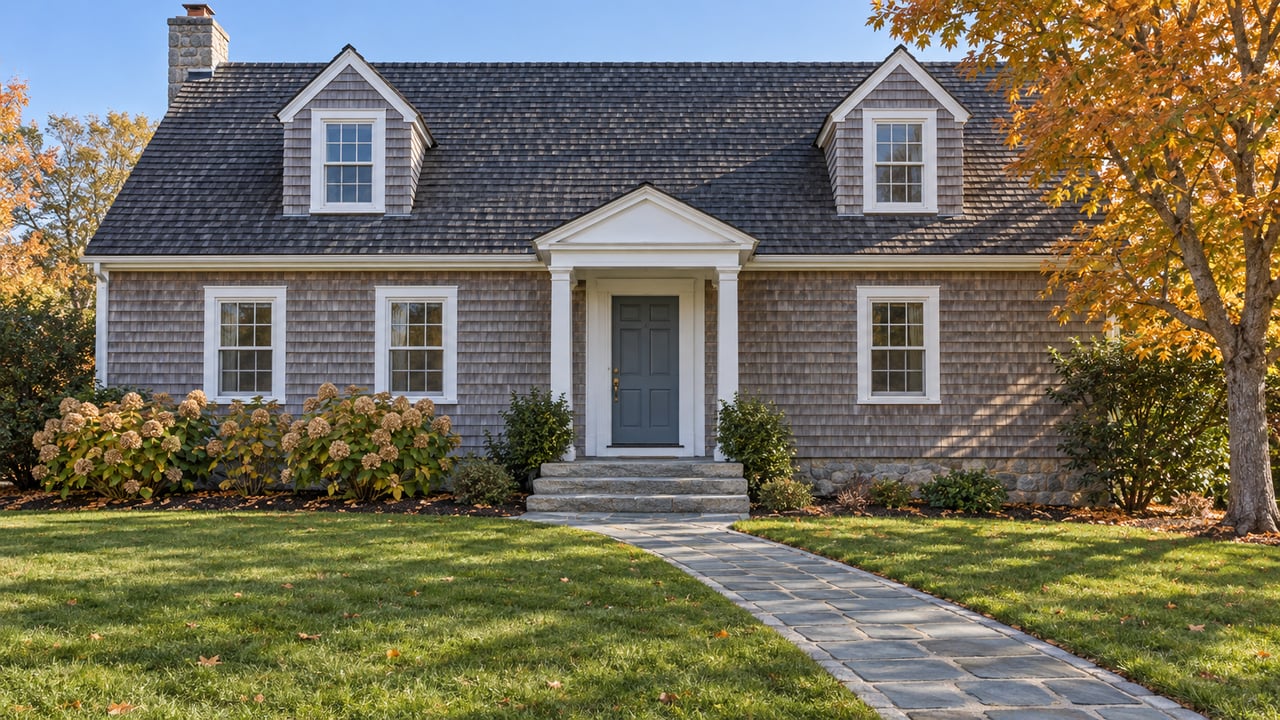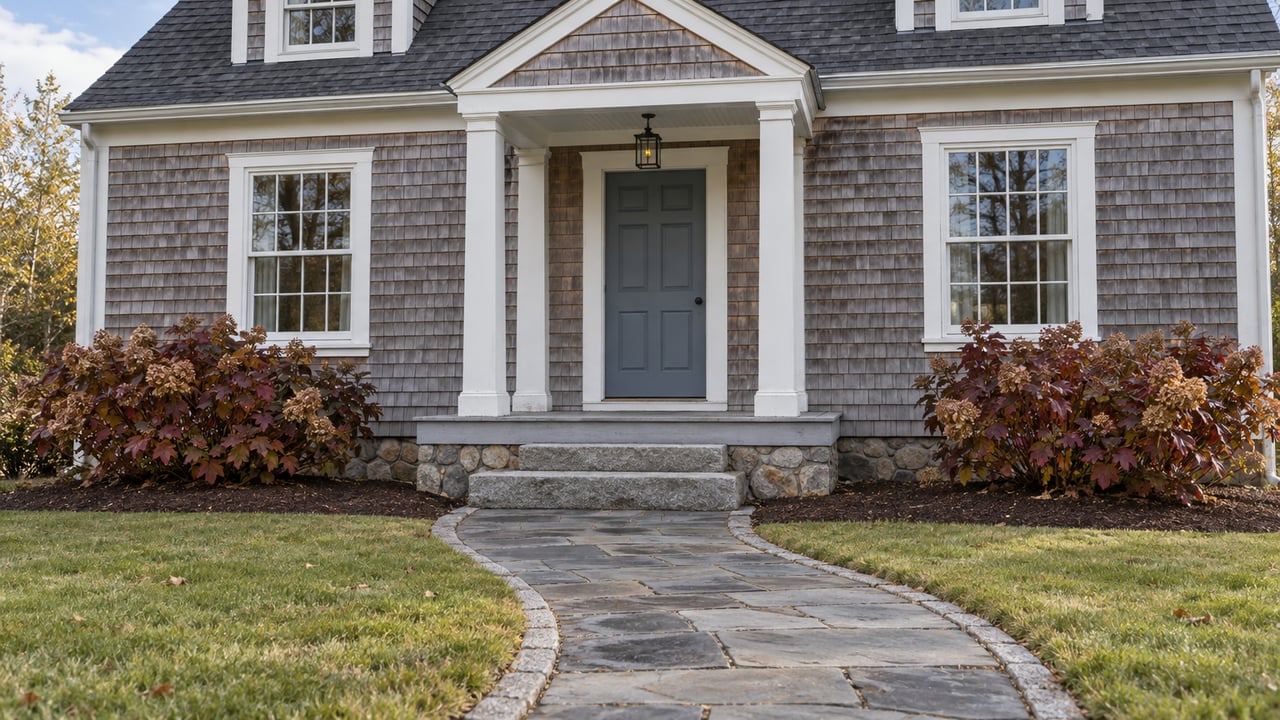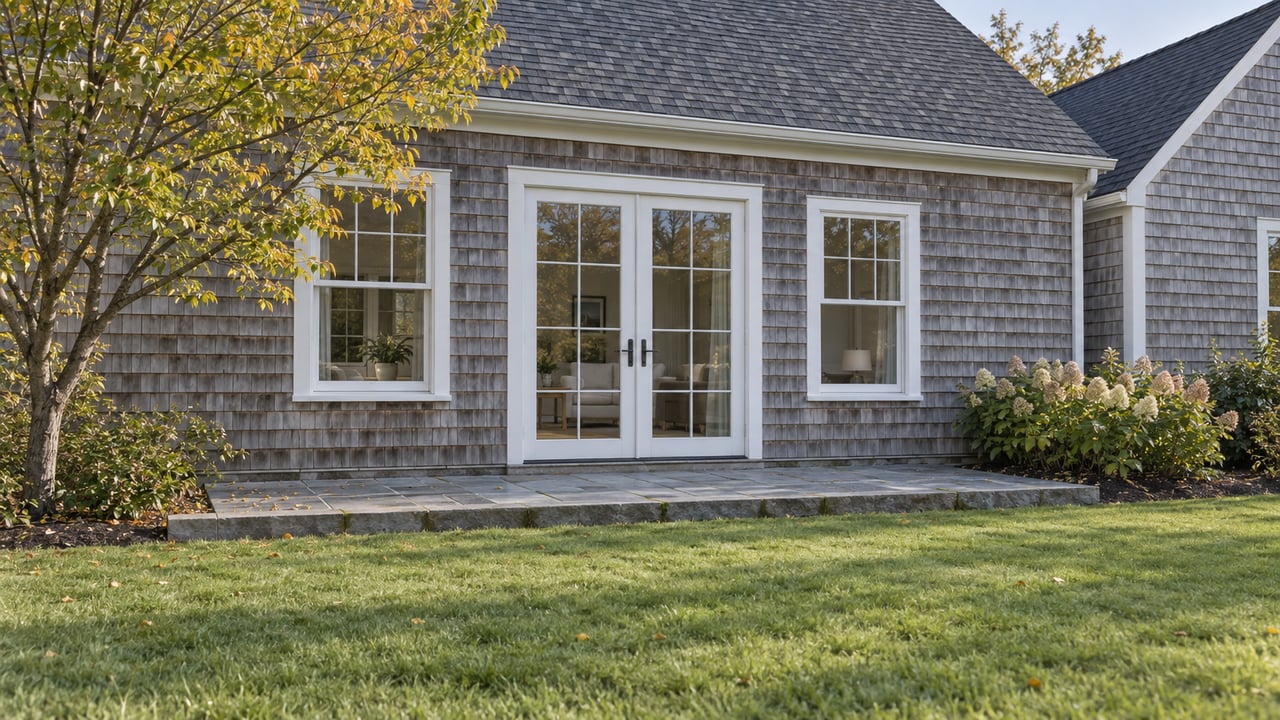
Thinking about giving up yard work without giving up Scituate? Downsizing can feel exciting and overwhelming at the same time, especially when you want a home that is simpler to maintain but still fits your lifestyle. In this guide, you’ll learn what Scituate condos and townhomes typically offer, what costs and condo rules to review, and which local factors matter most before you make a move. Let’s dive in.
Why Scituate Works for Downsizers
Scituate offers a rare mix of coastal charm and everyday convenience. The town describes itself as blending rural, suburban, and seaside lifestyles, and it sits about 25 miles from Boston, roughly between Boston and Plymouth. For many downsizers, that combination can make it easier to stay connected to the South Shore while simplifying daily life.
The local market also helps explain why attached homes draw so much interest here. Zillow’s April 2026 snapshot shows an average Scituate home value of $1,015,645, with homes going pending in about six days town-wide. That does not mean every condo or townhome moves the same way, but it does point to a high-value market where thoughtful planning matters.
What Downsizing Can Look Like in Scituate
One of the biggest advantages of downsizing in Scituate is the range of options. You are not limited to one style of attached home, and that flexibility can help you match your next move to the way you actually want to live.
Recent examples show smaller one-bedroom condos around 760 to 1,089 square feet, two-bedroom units around 1,386 to 1,454 square feet, and three-bedroom attached homes ranging from about 2,025 to 3,351 square feet. In the same sample, prices ranged from about $380,000 to $1.195 million. That is a wide spread, which means your ideal fit may depend as much on layout and location as on price alone.
Smaller Condos in Village Settings
If you want a lower-maintenance home with a modest footprint, smaller condos can be appealing. Some Scituate options come from village or historic conversions, including a converted Victorian at 156 First Parish Road and another one-bedroom condo at 32 Barker Road with in-unit laundry.
These homes may suit buyers who want less space to manage while staying close to daily errands and local destinations. The tradeoff is often less storage and fewer private outdoor features than a larger townhouse-style property.
Harbor and Waterfront Condos
If your next chapter is about views and walkability, Scituate’s harbor-adjacent condos may stand out. Recent listings have highlighted large private decks, harbor views, ocean and marsh views, elevator access, deeded parking, and even direct private beach access.
Some harbor-side listings also mention proximity to restaurants, shops, a grocery store, a marina, a movie theatre, beaches, and commuter rail access. For many downsizers, that kind of location can reduce driving and make it easier to enjoy day-to-day life close to home.
Townhomes With Single-Family Feel
If you are not ready to give up the feel of a traditional house, townhouse-style condos may offer the best middle ground. Recent Scituate examples include homes with open floor plans, first-floor primary suites, bonus rooms over garages, and layouts described as feeling more like single-family living.
That can be especially helpful if you want to age in place more comfortably or simply reduce exterior upkeep without sacrificing too much square footage. In some communities, you may still get the privacy and room separation you are used to, just with less maintenance.
Features That Matter Most When You Downsize
Downsizing is not only about buying a smaller home. It is about choosing the right features for the way you want to live now.
In Scituate, attached-home amenities vary a lot from one property to another. Some listings mention club rooms, libraries, conference rooms, in-unit laundry, central air, private decks, clubhouses, saltwater pools, workout facilities, shared roof decks, elevators, and garage or deeded parking.
Before you focus on finishes alone, think through your daily routine. A beautiful unit on an upper floor may not be the best fit if elevator access is important to you. A lower HOA fee may look attractive at first, but it may come with fewer amenities or different maintenance responsibilities.
Prioritize Function Over Extra Space
Many downsizers find that layout matters more than square footage. A first-floor primary suite, attached garage, elevator access, or single-level living may improve day-to-day comfort more than an extra guest room you rarely use.
It helps to make a short list of true must-haves before you start touring homes. That can keep you focused when you are comparing very different options, from a compact village condo to a spacious townhouse near the water.
Understand the Real Monthly Cost
A smaller home does not always mean a lower monthly cost, so it is smart to compare the full picture. In Scituate, the FY2026 tax rate is $9.83 per $1,000 of assessed value, which can affect how a condo or townhome compares with a single-family property.
HOA fees are another major part of the equation. In the current Scituate listing sample, fees range from about $350 per month on a small converted-Victorian condo to $940 per month on a harbor-view condo, with newer condo communities around $400 per month. Differences often reflect location, amenities, and building style.
Compare More Than the Asking Price
When you evaluate a property, look at:
- Monthly HOA fee
- Property taxes
- Insurance expectations
- Parking or garage access
- Elevator access if needed
- Maintenance responsibilities covered by the association
This side-by-side comparison can help you avoid choosing a home that looks affordable at first glance but carries higher ongoing costs than expected.
Know the Massachusetts Condo Basics
If you are moving from a single-family home into a condo or townhome, condo governance may be one of the biggest changes. In Massachusetts, condominiums are governed by the master deed, bylaws, and Chapter 183A. Mass.gov notes that the Commonwealth does not provide regulatory oversight over condos, so your due diligence matters.
Under Chapter 183A, common expenses must be assessed at least annually based on an annual budget, and every condo must maintain an adequate replacement reserve fund separate from operating funds. Associations also must keep financial, insurance, and reserve records, and unit owners or mortgagees can inspect them during regular business hours.
Financial reports are due within 120 days of the end of the fiscal year, and larger condos with 50 or more units generally need an independent CPA review. On a sale, the association must provide a statement of unpaid common expenses and other assessed sums within 10 business days after written request. That document is an important part of a Massachusetts condo closing.
Why These Rules Matter to You
These rules are practical, not just legal details. They can give you a clearer view of how the association handles budgeting, reserves, and recordkeeping before you commit to a purchase.
Chapter 183A also treats your unit and your undivided interest in the common areas as real estate. Common areas can include roofs, halls, lobbies, stairways, elevators, and central systems, which helps explain why condo living often shifts more exterior maintenance away from the individual owner.
Questions to Ask Before You Buy
In Scituate, asking the right questions can be just as important as finding the right floor plan. Since associations may be self-managed or professionally managed, the style and quality of governance can vary.
As you review a condo or townhome, consider asking:
- What does the HOA fee cover?
- How strong is the reserve fund?
- Have there been any recent special assessments?
- Are there pending improvement votes?
- Are there restrictions on pets, rentals, parking, deck use, or renovations?
- Is there elevator or garage access if mobility is a priority?
- How is the association managed?
These questions can help you understand not just the home itself, but also the day-to-day ownership experience.
Coastal Factors to Check Early
In Scituate, water access can be a major lifestyle benefit, but it also brings added planning. The town notes that Scituate is vulnerable to flooding from high tides, storm surge, large waves, and heavy precipitation.
If you are considering a harbor-side or waterfront condo, check flood zone status and insurance assumptions early in the process. That step is especially important if you are comparing a water-adjacent home with an inland option that may offer a different cost profile.
There is some good news on the insurance side. Scituate participates in FEMA’s Community Rating System and reports a Class 7 rating, which gives residents a 15% flood insurance discount. The town’s flood and coastal resilience pages also reference seawall repair, beach nourishment, and home elevation programs, which shows how important coastal planning is locally.
What May Hold Value Best
No one can guarantee future resale, but certain features may appeal to a wider pool of buyers in Scituate’s fast-moving, high-value market. Based on current listing patterns and town-wide market context, well-located attached homes with parking, views, elevator access, or single-floor living may have broad appeal.
That does not mean you should buy only for the next owner. It does mean you should think about how your home will function for you now and how its features may be viewed later if your plans change.
How to Make Your Move Simpler
Downsizing tends to go more smoothly when you make decisions in the right order. Start with your lifestyle goals, then narrow your preferred locations, then compare ownership costs and condo documents.
A helpful planning path often looks like this:
- Decide how much space you truly need.
- List the features you do not want to give up.
- Compare village, harbor-side, and townhouse-style options.
- Review taxes, HOA fees, and insurance assumptions together.
- Ask detailed questions about reserves, rules, and management.
- Weigh convenience, mobility, and long-term livability.
With the right strategy, downsizing can feel less like a compromise and more like a smart next step.
If you are weighing a move in Scituate, having a local guide can make it much easier to sort through condo options, compare tradeoffs, and move forward with confidence. Brita Sheehan offers thoughtful, hands-on guidance for buyers and sellers across the South Shore, including Scituate condos and townhomes.
FAQs
What types of condos and townhomes are available in Scituate for downsizers?
- Scituate offers a range of attached homes, including smaller one-bedroom condos, harbor-view units, waterfront condos, and townhouse-style homes with features like first-floor primary suites and garage space.
What are typical HOA fees for Scituate condos and townhomes?
- In the current listing sample, HOA fees range from about $350 per month to $940 per month, with differences tied to location, amenities, and building style.
What should you review before buying a condo in Massachusetts?
- You should review the condo documents, annual budget, reserve fund, financial records, insurance information, rules, and any history of special assessments or improvement votes.
What flood issues should downsizers consider in Scituate?
- Because Scituate is vulnerable to flooding from tides, storm surge, waves, and heavy rain, buyers should check flood zones and insurance expectations early, especially for waterfront or harbor-side homes.
How do Scituate property taxes affect downsizing costs?
- Scituate’s FY2026 tax rate is $9.83 per $1,000 of assessed value, so property taxes should be compared alongside HOA fees and insurance when you estimate the full monthly cost of a condo or townhome.
What features are most useful in a Scituate downsizing home?
- Many downsizers prioritize single-level living, first-floor primary suites, elevator access, garage or deeded parking, in-unit laundry, and walkable locations near everyday amenities.