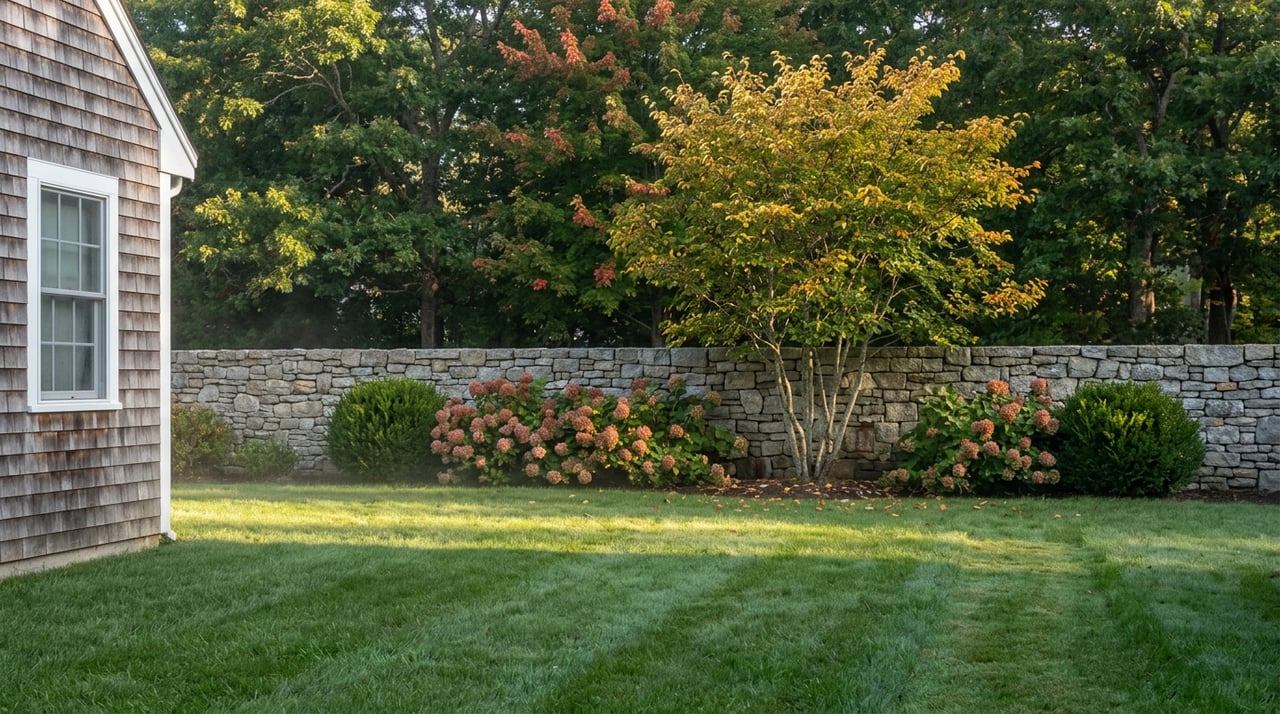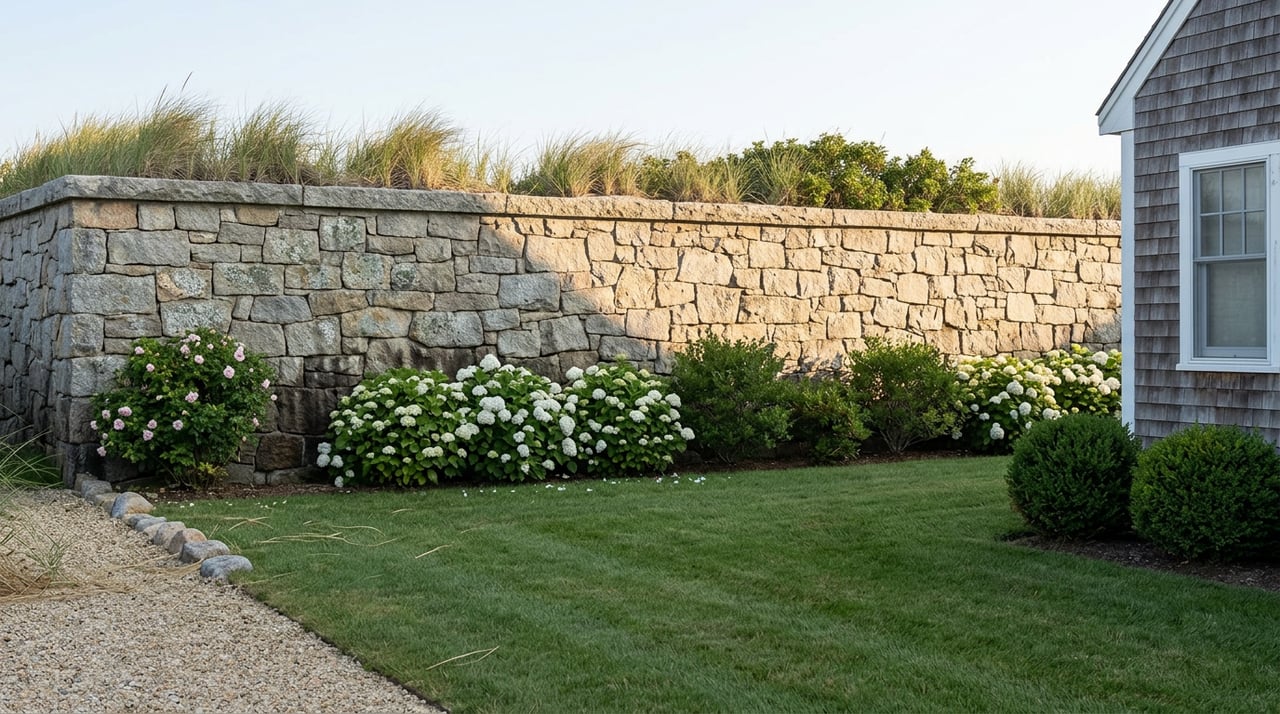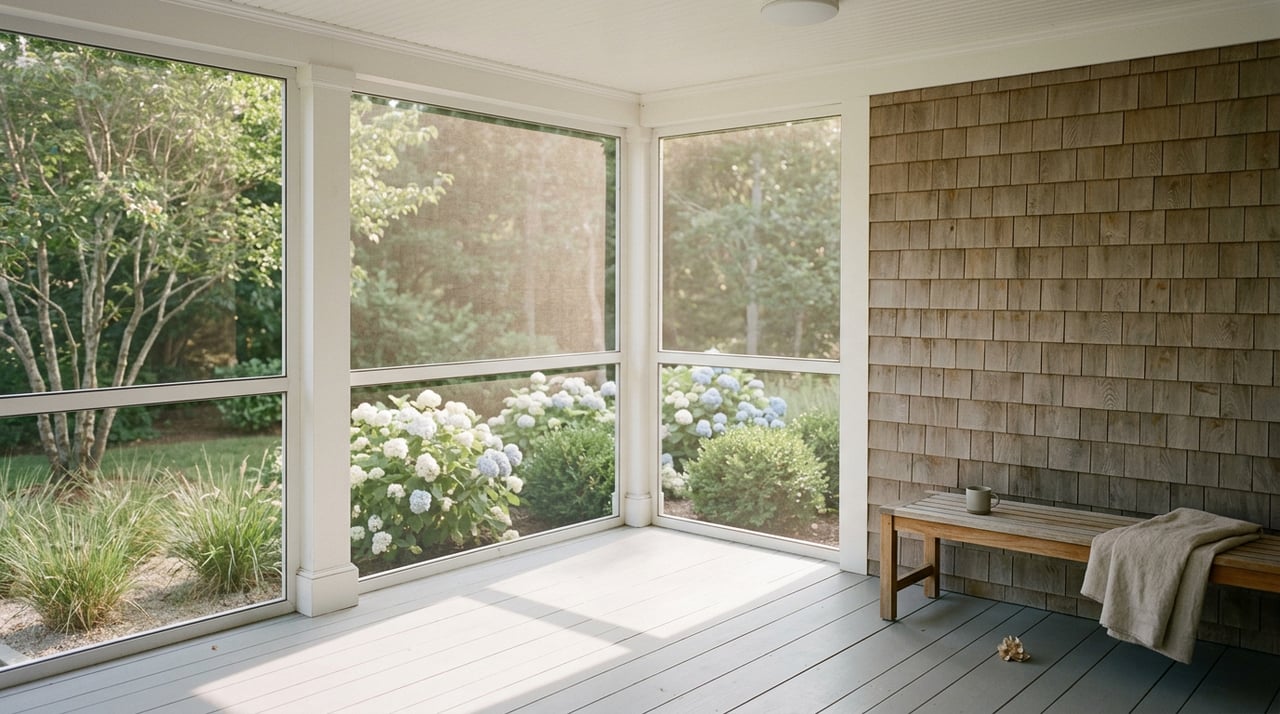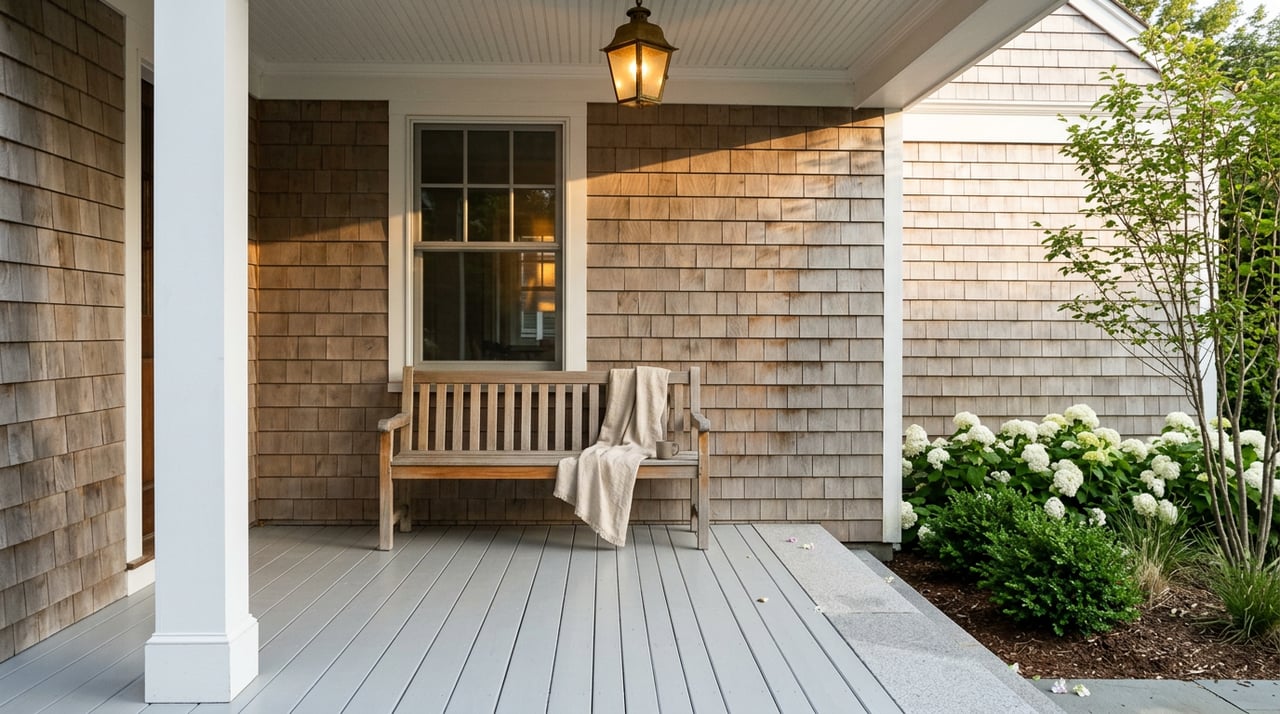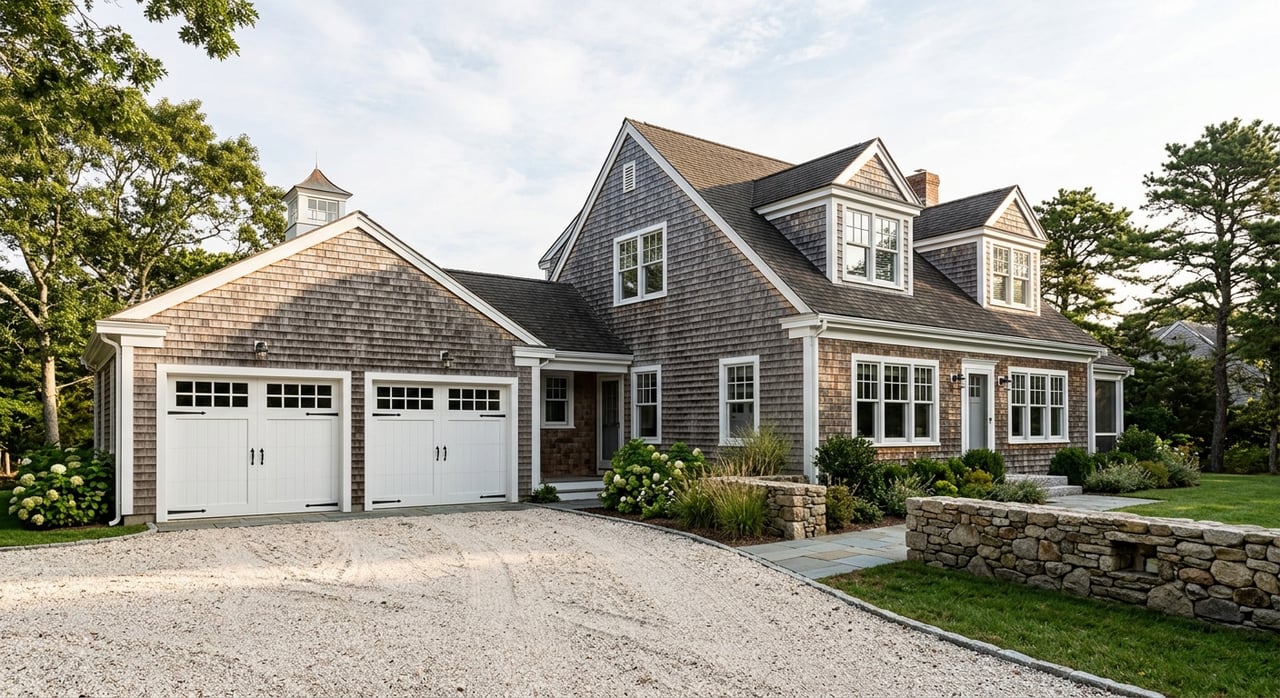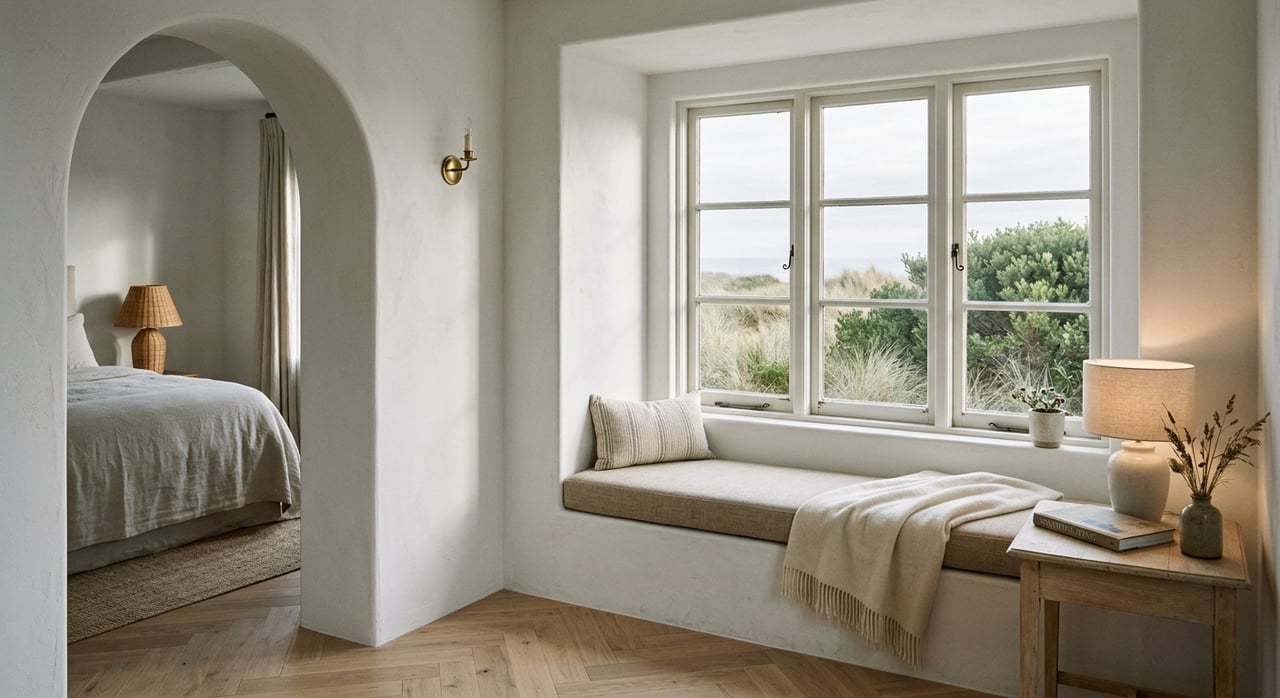
Thinking about a second home on the South Shore? Scituate often rises to the top of the list for buyers who want easy access to the water, a true coastal-town feel, and a realistic connection to Boston. If you are weighing lifestyle, upkeep, flood risk, and long-term costs, it helps to look at the full picture before you buy. Let’s dive in.
Why Scituate Appeals
Scituate offers the kind of coastal lifestyle many second-home buyers are actually looking for. According to the town, it has about 18,760 residents, along with 21 square miles of waterways, five beaches, four rivers, several marinas, public boat launches, and a large sheltered harbor. That mix makes Scituate especially appealing if you want boating, beach time, and a smaller-town setting rather than a sprawling inland property.
For many buyers, convenience matters almost as much as the lifestyle. The town notes that Scituate has two MBTA commuter rail stations, with service to South Station taking about an hour, which can make part-time ownership more practical for weekends and occasional work trips into Boston. You can review those local access details through Scituate tourism and town transportation information.
What Kind of Second Home Do You Want?
Before you focus on a specific house, it helps to define how you would really use it. A second home in Scituate may sound like a summer purchase, but coastal ownership is rarely just about July and August. Your experience will depend on whether you want a simple weekend base, a seasonal getaway, or a property you plan to use through every season.
If you picture a true lock-and-leave home, think carefully about what happens when you are not there. Massachusetts emergency guidance recommends preparing homes for nor’easters, hurricanes, winter weather, and outages, which means a second home may need regular check-ins, winterization, and storm prep when vacant. That is why maintenance planning should be part of the buying decision from day one, not something to sort out after closing.
Questions to Ask Yourself First
A few early questions can help narrow your search and avoid surprises later:
- How many weeks each year will you realistically use the home?
- Do you want to be near the beach, harbor, or commuter rail?
- Are you comfortable owning a home that may need seasonal storm prep?
- Who will handle winterization, snow removal, and vacant-home checks?
- If you may rent it out, have you reviewed the tax and insurance rules?
Understand the Carrying Costs
The purchase price is only part of the equation. If you are buying a second home in Scituate, you will also want a clear view of taxes, insurance, and recurring ownership costs so the property fits your long-term plans.
According to the town assessor, Scituate’s FY 2026 property tax rate is $9.83 per $1,000 of assessed value. The town’s fiscal year runs from July 1 through June 30, and real estate taxes are due in quarterly installments on August 1, November 1, February 1, and May 1. You can confirm those details through the Scituate Assessor’s office.
Scituate also applies a 3% Community Preservation Act surcharge on property taxes, with the first $100,000 of assessed value exempt on residential parcels, according to current town planning materials. That surcharge helps fund open space, historic preservation, and affordable housing. For buyers comparing towns or budgeting for a second home, it is worth including this in your annual cost estimate.
Tax exemptions may exist for certain qualifying owners, including some elderly owners, veterans, blind taxpayers, and other specific categories. Still, you should not assume a second home will qualify for the same relief a primary residence might receive. The safest move is to review current eligibility directly with the Scituate assessor’s exemptions guidance.
If You Plan to Rent It
Some buyers hope to offset carrying costs with occasional rentals. That can be part of the strategy, but it should be researched carefully before you count on the income.
Massachusetts says room-occupancy tax rules apply to stays of 31 days or less, and no tax is due when a property is rented 14 days or fewer in a calendar year. The state also requires specific insurance coverage for short-term rentals, so any rental plan should be reviewed with qualified tax and insurance professionals. You can read the current rules in the state’s room occupancy excise tax guidance.
For practical purposes, this means you should treat rental income as a bonus, not a guarantee, until you understand the current regulations, insurance requirements, and local expectations. A home that works beautifully for your personal use may still be the right fit, even if rental income turns out to be less attractive than expected.
Flood Risk Deserves Early Attention
In Scituate, flood risk is not a side issue. It is a core part of second-home due diligence, especially if you are considering a property near the water, in a low-lying area, or close to tidal influences.
The town states that Scituate is vulnerable to flooding from high tides, storm surge, large waves, and heavy precipitation, and that nor’easters create much of the flood hazard, especially in winter. FEMA’s official Flood Map Service Center and Scituate’s flood zone information page are important resources to review before making an offer.
FEMA notes that a high-risk flood zone has at least a 1% annual chance of flooding, which becomes very meaningful over the life of a 30-year mortgage. Even if a home feels perfect from a lifestyle standpoint, the flood zone, elevation, and insurance cost can significantly change the monthly and annual budget.
Flood Insurance Matters
One of the biggest mistakes second-home buyers make is treating flood insurance as an afterthought. FEMA says standard homeowners insurance usually does not cover flood damage, and flood coverage is typically purchased as a separate policy.
Massachusetts also notes that there is usually a 30-day waiting period before flood insurance takes effect. Scituate participates in FEMA’s Community Rating System at Class 7, which the town says gives residents a 15% flood-insurance discount. Even with that benefit, you will still want to get insurance quotes early in your search so you can compare properties with real numbers in hand.
Coastal Maintenance Is Part of Ownership
Owning a second home by the coast can be deeply rewarding, but it comes with responsibilities. Salt air, storms, winter weather, and vacancy periods can all affect how easy the home is to maintain.
Massachusetts preparedness guidance recommends practical steps like backup power, storm shutters or temporary plywood, clear gutters, functioning sump pumps, insulated heating systems, and knowing where shutoff valves are located. Those details matter even more when a property may sit empty for stretches of time. You can review those recommendations in the state’s home emergency preparedness guidance.
That does not mean every Scituate second home is difficult to own. It means the right purchase is often the one that matches your tolerance for hands-on maintenance, vendor coordination, and seasonal prep. Some buyers love that involvement, while others prefer a home that requires less active oversight.
Think Ahead About Renovations
If you are considering a property with future improvement potential, coastal rules should be part of your evaluation. Renovation, additions, rebuilds, and storm-damage repairs near the coast may involve added layers of review.
Massachusetts coastal guidance notes that projects can involve extra considerations for buildings, septic systems, piers, shoreline stabilization, and repairs after storm damage. Before buying for future upside, it is wise to understand what may be permitted and what additional costs or approvals could apply. The state’s StormSmart Coasts guidance is a helpful starting point.
Signs Scituate Could Be Right for You
Scituate may be a strong fit if you want a second home that offers:
- Easy access to beaches, boating, and harbor life
- A coastal town atmosphere on a manageable scale
- A realistic weekend connection to Boston by commuter rail
- A property you plan to use regularly, not just occasionally
- A willingness to budget for coastal maintenance and insurance
It may be less ideal if your top priority is a completely hands-off ownership experience with minimal weather-related planning. In that case, the right property type and location become especially important.
How to Evaluate a Scituate Second Home Smartly
When you start touring homes, try to look beyond finishes and views. Ask practical questions early about flood zones, insurance, seasonal maintenance, access, and how often you will truly use the property.
A second home should support your lifestyle, not complicate it. The strongest purchase is usually the one that balances what you love about Scituate with a clear understanding of the costs and responsibilities that come with coastal ownership.
If you are considering a second home in Scituate or anywhere along the South Shore, working with a local advisor can help you compare locations, property types, and ownership tradeoffs with more confidence. To talk through your goals and start your search with practical local insight, connect with Brita Sheehan.
FAQs
What makes Scituate appealing for a South Shore second home?
- Scituate offers a coastal lifestyle with five beaches, four rivers, marinas, public boat launches, a sheltered harbor, and commuter rail access to Boston in about an hour.
What property taxes should you expect for a second home in Scituate?
- Scituate’s FY 2026 property tax rate is $9.83 per $1,000 of assessed value, with quarterly payments due August 1, November 1, February 1, and May 1, plus a 3% CPA surcharge with the first $100,000 of assessed value exempt on residential parcels.
What flood insurance issues should second-home buyers consider in Scituate?
- Buyers should review flood-zone maps early, remember that standard homeowners insurance usually does not cover flood damage, and account for the typical 30-day waiting period before flood insurance takes effect.
What maintenance planning matters for a Scituate vacation home?
- Buyers should plan for storm preparation, winterization, vacant-home checks, snow removal, sump pump function, backup power options, and knowing key home shutoff locations.
What should you know about renting out a Scituate second home?
- Massachusetts room-occupancy tax rules apply to stays of 31 days or less, no tax is due when a property is rented 14 days or fewer in a calendar year, and specific short-term rental insurance coverage may be required.