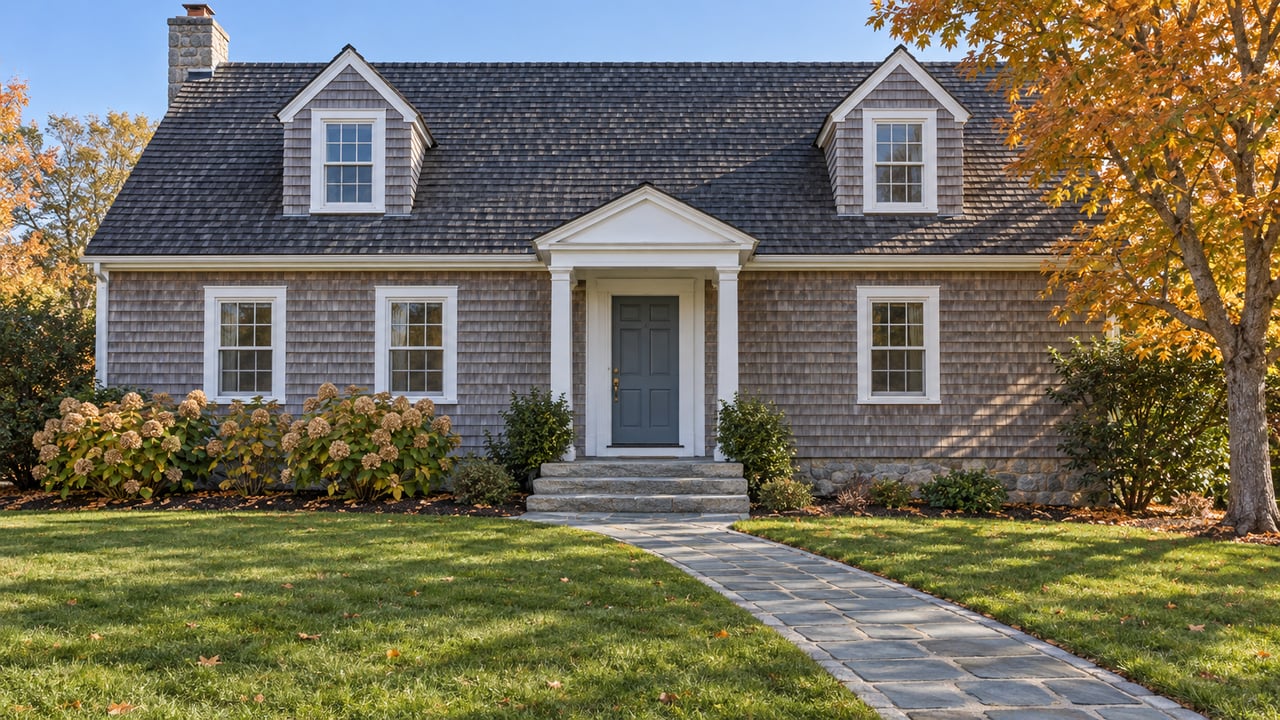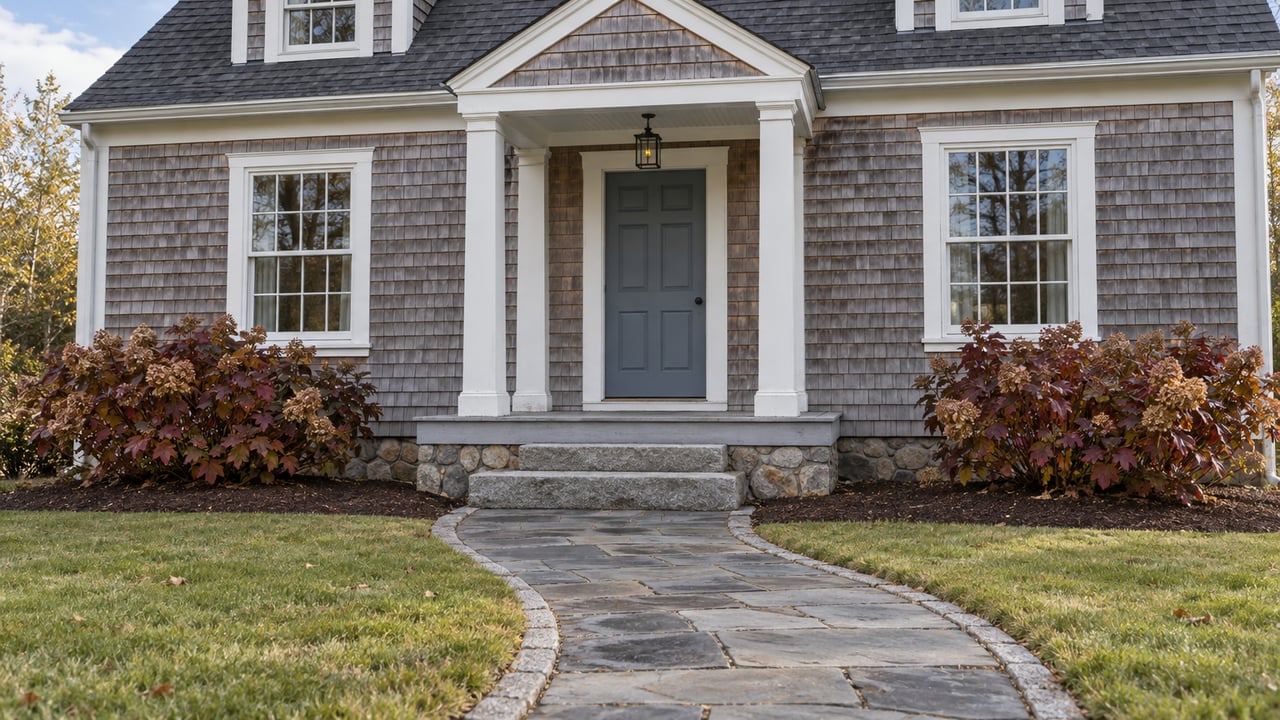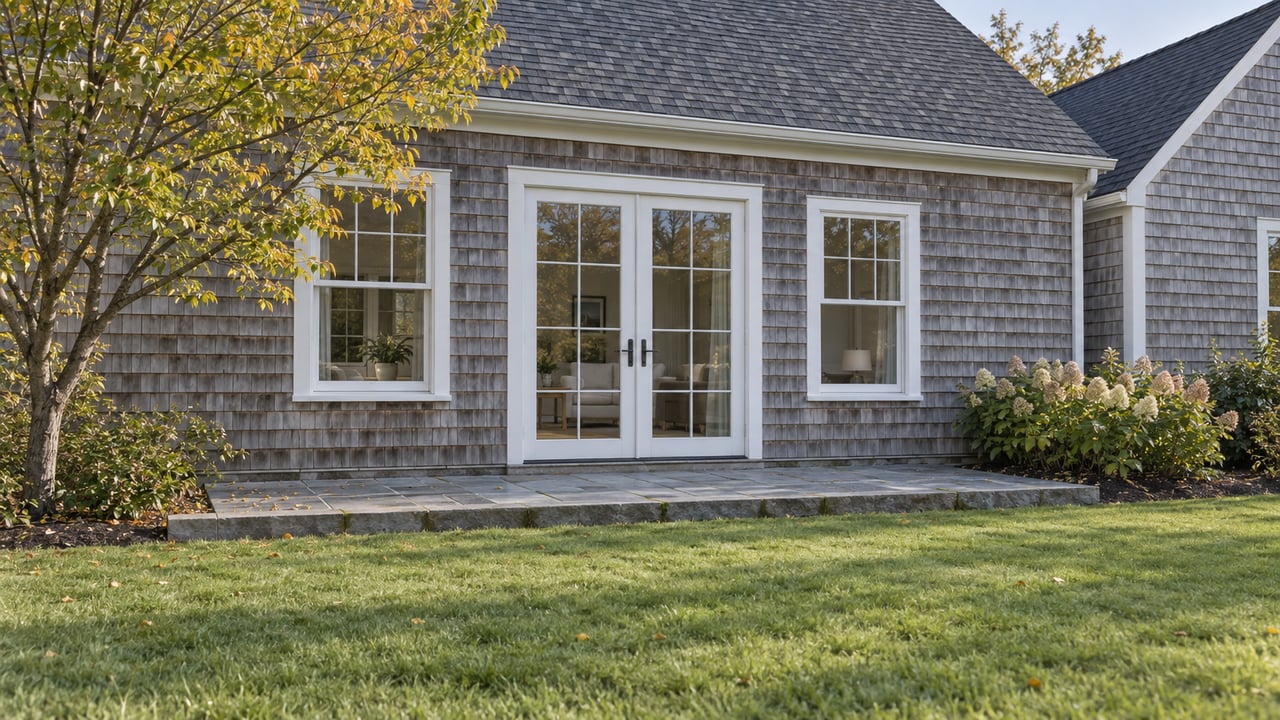
Are you outgrowing your current Marshfield home but unsure how to buy the next one without losing leverage? You are not alone. Many South Shore homeowners want more space, a different layout, or a closer-to-the-water lifestyle and worry about competing while selling and buying at the same time. In this guide, you will learn how Marshfield’s market behaves right now, realistic price bands for larger homes, when to time your move, and how to make a strong offer with or without a home-sale contingency. Let’s dive in.
Marshfield market snapshot
Marshfield is running seller-leaning, with low inventory and relatively quick sales. Public trackers describe the town as very competitive, with many homes drawing strong interest. In recent reports, the median sale price hovered near $850,000 (Redfin, Jan 2026). Active listings often range around 20 to 40 in snapshot views, and median days on market typically lands in the mid-20s (Zillow and Realtor.com recent snapshots).
Negotiation signs also tilt firm. Recent sale-to-list ratios sit near 100%, and a meaningful share of homes sell above list price in a typical month. Redfin’s local notes highlight that many homes receive multiple offers and some buyers waive contingencies in hot price bands (Redfin, recent snapshot).
Two quick notes as you review numbers:
- You will see different medians across public sites because they use different methods and timeframes. Always pair the number with the source and date.
- Local MLS data is the most precise for your specific property type and block. Use it to set list price, estimate net proceeds, and plan your next purchase.
Price bands for move-up homes
If you are targeting more space or newer updates, here is what public snapshots suggest for common move-up options in Marshfield:
- 3 to 4 bedroom single-family homes and well-updated properties often trade in the $650,000 to $950,000 range (recent public examples support this band).
- Larger or upgraded 4 to 5 plus bedroom homes, waterfront or premium-lot properties, and new or near-new construction frequently fall between $1.0 million and $1.6 million plus, depending on condition and setting.
- Price per square foot varies widely by location and finish level. Recent public ranges cluster roughly around $360 to $480 per square foot. Expect higher figures near the beach and lower inland.
These are directional ranges. Your best guide is a current CMA that compares true like-for-like homes and reflects condition, micro-location, and seasonality.
Coastal vs inland price expectations
Neighborhood choice matters in Marshfield. Coastal pockets such as Ocean Bluff and Brant Rock often command higher prices than inland areas. Marshfield Center typically shows lower medians compared with coastal zones in the same town (Realtor.com neighborhood snapshots). If you want a near-water lifestyle, budget accordingly and plan for tighter competition in popular coastal streets.
Timing your sell and buy
Seasonal patterns to watch
Spring remains the prime season for both listings and buyer traffic. A national study highlights that mid-April is often a high-opportunity week for sellers, thanks to increased demand and relatively lighter competition earlier in the season. You can read the summary of that research here: the best time to sell often falls in April.
Locally, you can expect an uptick in new listings from March through June, which gives you more choice on the buy side. Even then, total inventory in Marshfield tends to stay tight compared with larger suburbs, so bidding pressure can remain in the most popular bands. The practical takeaway is simple: list early in spring for maximum exposure, and be ready to move decisively on your purchase once the right home appears.
Sell first or buy first
You have two main paths. Each works well when matched to your finances and risk tolerance.
Sell first. This is the lower-risk path. Selling first removes your home-sale contingency on the next purchase, clarifies your net proceeds, and boosts your bargaining power. Because well-priced Marshfield homes often sell in a few weeks, many owners can bridge with short-term housing or carefully time back-to-back closings.
Buy first. If timing or lifestyle needs push you to secure the next home before selling, short-term financing can help you write a stronger, non-contingent offer. Options include a HELOC or a bridge loan. A bridge loan lets you access equity in your current home for the new down payment, but it is costlier and requires a clear exit plan to sell your current home promptly. Learn more here: how bridge loans work.
How a home-sale contingency works
With a home-sale contingency, your purchase depends on selling your current property. In competitive segments of Marshfield, some sellers avoid these. When a seller does accept one, they often add a kick-out clause so they can keep marketing the home. If a stronger offer arrives, they notify you and give you a short window, often 24 to 72 hours, to remove your contingency. For a plain-language overview, see this guide to contingent offers and seller protections.
Offers and negotiation dynamics
Why contingent offers struggle in hot bands
In low-supply conditions where homes attract multiple offers, sellers prefer buyers with fewer strings attached. Redfin’s Marshfield notes mention multiple-offer settings and some waived contingencies in busy price points. The bottom line is that a non-contingent offer usually wins a tiebreaker, especially in lower and mid price tiers where demand concentrates.
Ways to strengthen your position
If you want to avoid a contingency, consider selling first or using short-term financing if your budget allows. If you must include a home-sale contingency, make it as clean and confidence-inspiring as possible:
- Provide proof your home is market-ready, including a signed listing agreement, professional photos lined up, and a realistic price supported by comps.
- Accept a reasonable kick-out clause to reduce the seller’s risk.
- Offer flexible timing that matches the seller’s needs. Short or flexible closing windows help.
- Increase your earnest money deposit to show commitment.
- Consider a limited appraisal-gap commitment if your finances permit.
- Tighten inspection timelines and come with a fully documented pre-approval, or even a fully underwritten file from your lender.
These terms cannot replace price, but together they can nudge your offer ahead when all else is close.
Expectations by price tier
Lower and mid price bands. Competition is strongest here. Expect near-list pricing, faster timelines, and more frequent multiple-offer scenarios. Contingent offers are least likely to win without additional strengths.
Upper and luxury band. Selection is thinner, and negotiation often has more room. Larger homes over roughly $1 million can see longer market times and more back-and-forth on terms. Thoughtful pricing, strong presentation, and patient search strategies often pay off.
A practical move-up game plan
Use this simple checklist to plan your next move with fewer surprises.
- Clarify budget and proceeds
- Request a current CMA to estimate your sale price and net proceeds using MLS-grade comps. Pair that with a lender conversation to confirm your target budget for the next home.
- Lock financing early
- Get a strong pre-approval and ask about full underwriting. If you are exploring buy-first options, compare a HELOC versus a bridge loan for speed, cost, and repayment. Start here for a primer on bridge loans.
- Prep your current home
- Tackle repairs, light updates, and curb appeal so you can hit the market quickly. In Marshfield’s competitive setting, a polished listing with professional photos can compress time on market and improve negotiation.
- Choose your timing
- If you value top exposure and strong buyer traffic, aim for an early-spring list. National research indicates April can be an especially strong window for sellers, and local patterns echo that spring uptick in activity. Review the summary on the best week to sell.
- Define your target zones and tradeoffs
- Map your must-haves, including lot size, layout, and proximity to the beach. Remember that coastal pockets often carry a premium compared with inland areas like Marshfield Center.
- Plan the logistics
- If you sell first, line up temporary housing or a rent-back to smooth the gap between closings. If you buy first, set a firm exit plan to list quickly after your purchase.
- Mind the commute
- Marshfield does not have a direct MBTA commuter-rail station. The nearest option is the Greenbush Line in Scituate. See the Greenbush Line overview to plan schedules and parking.
- Write a winning offer
- Lead with your best clean package: flexible timing, strong EMD, tight inspections, and lender documentation ready to go. If you need a contingency, add proof your sale is ready and accept a kick-out clause.
What this means for you
If you are moving up within Marshfield, the market can work in your favor on the sell side while requiring a clear, fast plan on the buy side. Expect healthy buyer traffic for a well-priced listing and tight competition for desirable homes in the $650,000 to $950,000 band. Larger or coastal homes often trade higher and may allow more negotiation.
With the right timing, pricing, and terms, you can reduce risk and still move into the home that fits the next chapter of your life. A local, MLS-connected advisor helps you price with confidence, structure the right sequence, and present the cleanest possible offer.
If you are ready to talk strategy, work with an agent who pairs deep neighborhood knowledge with hands-on transaction management. With 30 plus years on the South Shore and a boutique, high-touch approach backed by national reach, Brita Sheehan can help you plan your sale, strengthen your offer, and move up with confidence.
FAQs
How competitive is Marshfield for move-up buyers right now?
- Public-market snapshots describe Marshfield as very competitive, with low inventory, median days on market in the 20s, and sale-to-list ratios near 100% in many months.
What is a kick-out clause in a home-sale contingency?
- It lets a seller keep marketing the home and, if a stronger offer appears, gives you a short window, often 24 to 72 hours, to remove your contingency or step aside.
When is the best time to list my Marshfield home?
- Early spring typically draws the most buyer attention; national research points to a high-opportunity week in mid-April, while local patterns also show more listings and activity March through June.
How much do larger homes cost in Marshfield?
- Many 3 to 4 bedroom homes trade around $650,000 to $950,000, while larger, upgraded, or coastal properties often range from $1.0 million to $1.6 million plus, depending on location and condition.
Can I win with a contingent offer in Marshfield?
- It is possible, but harder in busy price bands. You improve your odds by pricing your current home realistically, showing it is market-ready, accepting a kick-out clause, and sweetening non-price terms.
Does Marshfield have commuter-rail access?
- Marshfield does not have a station. The nearest option is the Greenbush Line in Scituate, which many residents use for Boston-bound commutes.