Thinking about trading Boston’s fast pace for South Shore living? If Marshfield is on your radar, you are probably weighing more than just square footage. You want to know what daily life really feels like, how the housing market compares, and what to watch for before you make the move. This guide walks you through the practical side of relocating from Boston to Marshfield so you can plan with more confidence. Let’s dive in.
What Changes When You Move to Marshfield
A move from Boston to Marshfield usually means a real shift in pace, layout, and transportation. Marshfield is a coastal South Shore town about 30 miles south of Boston, with a year-round population of about 25,000 that rises to about 40,000 in summer, according to town planning materials.
Instead of a dense, transit-rich city environment, you will find a more spread-out, village-based town. Marshfield’s road network centers around Route 3, Route 3A, and Route 139, and the town maintains about 140 miles of road, based on its economic development plan. That often means errands, appointments, and daily routines involve more driving than they would in Boston.
Commute Expectations From Marshfield
If you work in or near Boston, your commute planning matters. The Census reports a mean commute time of 36.2 minutes in Marshfield, and Census data also shows that 74.6% of workers drive alone while 10.6% work from home.
Public transit options exist, but they are more limited than what you may be used to in Boston. Marshfield planning documents note that GATRA’s SAIL route helps connect residents and workers to commuter rail, but for many households, a personal vehicle remains central to daily life.
A smart way to test the transition is to try a weekday drive during your expected commute hours. That gives you a more realistic picture of how your schedule may change after a move.
Marshfield Housing Feels Different
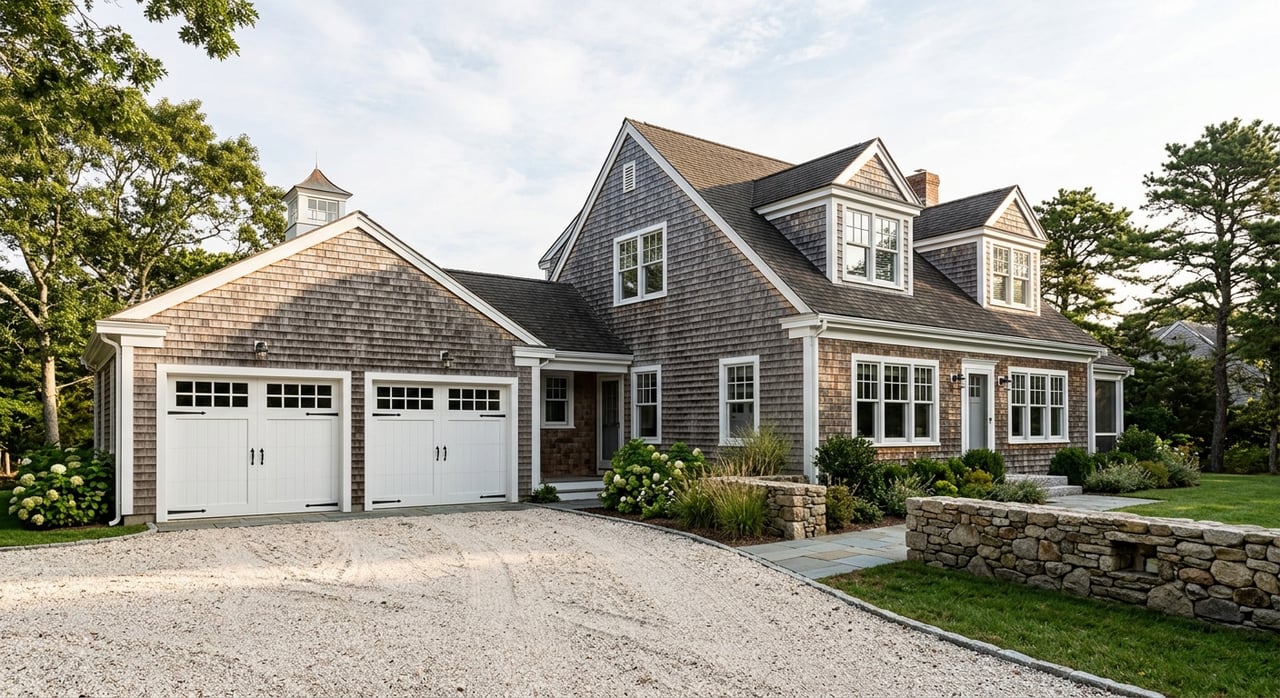
For many Boston buyers, the housing stock is one of the biggest reasons to consider Marshfield. The town is still largely defined by owner-occupied single-family homes, and regional planning data says 83.4% of housing units are single-family structures and 81.4% are owner-occupied.
Lot size is another major difference. Marshfield’s housing production plan says zoning minimum lot sizes range from 10,000 to 43,560 square feet, which is a sharp contrast to the tighter-lot housing you often see in Boston. If you are looking for more yard space, more separation between homes, or a quieter residential setting, this can be a meaningful change.
That said, Marshfield is not only single-family housing. The same planning sources note that the town has a somewhat larger share of 2-or-more-unit structures than some nearby South Shore communities, so buyers may still find condos, townhouses, or select small multifamily options depending on their goals.
The Marshfield Market Is Tight
Relocating buyers should be prepared for competition. A Massachusetts Association of Realtors market report for December 2025 shows just 17 single-family homes in inventory, 0.9 months of supply, 34 cumulative days on market, and a year-to-date median sales price of $831,000.
That points to a low-inventory environment where well-positioned homes may move quickly. If you are selling in Boston before buying in Marshfield, timing becomes especially important.
Boston remains competitive too. A Redfin Boston market snapshot from February 2026 reports a median sale price of $806,000 and average days on market of 53. Because these figures come from different sources and time periods, they are best used as directional context rather than a direct one-to-one comparison.
Coastal Living Is a Real Lifestyle Shift
Marshfield’s coastal setting is a big part of its appeal. Town planning materials describe beaches, marshes, tidal waterways, sandy shoreline areas, and a large seasonal population increase. Some seasonal homes have also been converted to year-round use, especially in beach-area sections of town.
The local beach landscape includes Rexhame, Fieldston, Sunrise, Brant Rock, and Green Harbor beaches. If beach access is one reason you are moving, it helps to understand how that works in practice.
Beach access is managed differently than in Boston. Marshfield’s online sticker process says online beach stickers are available for homeowner-residents with vehicles registered in Marshfield, cost $45, and that renters, new residents, and some others need to purchase in person at Rexhame.
Convenience Looks More Village-Based
One adjustment for Boston buyers is that convenience in Marshfield is not concentrated in a single downtown core. Instead, services and shopping are spread across different parts of town.
According to the town’s economic development plan, Marshfield offers supermarkets, restaurants, beaches, and a range of services. The plan specifically mentions the Shops at Ocean’s Gate, Webster Square with Star Market, Marshalls, Ocean State Job Lot, and Library Plaza along the Route 139 and Ocean Street corridor.
Town services also include schools, water and sewer, trash removal, recreation, a public library, and a senior center. In daily life, that often means planning your routines by village area rather than expecting everything to be a short walk away.
Flood Risk Should Be Part of Due Diligence
If you are moving from Boston to a coastal home search, this step matters. Marshfield’s hazard mitigation plan identifies coastal flooding, coastal erosion, hurricanes and tropical storms, and repetitive loss areas in beach neighborhoods.
That does not mean you should avoid coastal areas. It does mean you should review flood maps, insurance considerations, elevation, drainage, and property-specific conditions before making an offer. In Marshfield, those details can affect both your long-term costs and your day-to-day peace of mind.
For out-of-town buyers, it is especially helpful to ask for video walk-throughs and property documents before you commit to an in-person trip. In a coastal setting, lot shape, drainage, and proximity to water can matter just as much as the finishes inside the home.
Best Way to Explore Marshfield Before You Move
A quick drive-through is usually not enough. Because Marshfield has both inland village areas and shore neighborhoods, it helps to compare them side by side.
Town planning materials reference areas such as Downtown, Marshfield Hills, Ocean Bluff, Brant Rock, Rexhame, Seaview, and Green Harbor. Visiting multiple parts of town can help you compare traffic patterns, noise levels, shopping access, and coastal exposure based on what matters most to you.
If possible, make two separate visits:
- A weekday visit to test your commute and daytime traffic
- A weekend visit to see how errands, parking, and beach-area activity feel
- A side-by-side tour of inland and shoreline locations to compare lifestyle tradeoffs
Because Marshfield sees a summer population surge and recurring traffic concerns, this kind of hands-on visit can give you a much clearer picture than online listings alone.
Tips for Moving From Boston to Marshfield
If you want the process to feel more manageable, focus on preparation early. Here are a few practical ways to get ahead:
- Start financing early if you need to sell in Boston before buying in Marshfield
- Plan for overlap options like rent-back or temporary housing if timing is tight
- Ask for property-specific documents related to utilities, flood zones, and drainage
- Think about your weekly routine and how often you will drive between home, errands, and recreation
- Prioritize fit over assumptions since one Marshfield area can feel very different from another
These steps can help you reduce pressure and make cleaner decisions in a market with limited inventory.
Why Local Guidance Matters
Relocating within Greater Boston still comes with a learning curve, especially when the destination has a different housing pattern, road network, and coastal risk profile. Marshfield offers a lot of appeal, but it rewards buyers who look beyond listing photos and take time to understand how each area functions day to day.
That is where experienced local guidance can make a real difference. If you are planning a move from Boston and want practical insight on Marshfield’s housing options, village layout, and coastal considerations, connecting with Brita Sheehan is a smart next step.
FAQs
What is the biggest lifestyle change when relocating from Boston to Marshfield?
- The biggest shift is usually moving from a dense, transit-oriented city to a more car-dependent, village-based coastal town with a seasonal population increase.
How competitive is the Marshfield housing market for buyers?
- Based on a December 2025 market report, Marshfield had 17 single-family homes for sale, 0.9 months of supply, and 34 cumulative days on market, which points to a tight market.
Do you need a car when living in Marshfield?
- For many households, yes. Census and planning data show driving is the main commuting pattern, while transit options are available but more limited than in Boston.
What should Boston buyers know about coastal homes in Marshfield?
- Buyers should review flood maps, insurance considerations, elevation, drainage, and other property-specific coastal risk factors before making an offer.
How should you explore Marshfield before relocating from Boston?
- It helps to do a weekday commute test, a weekend errands visit, and side-by-side tours of inland and shoreline areas to compare daily convenience, traffic, and setting.