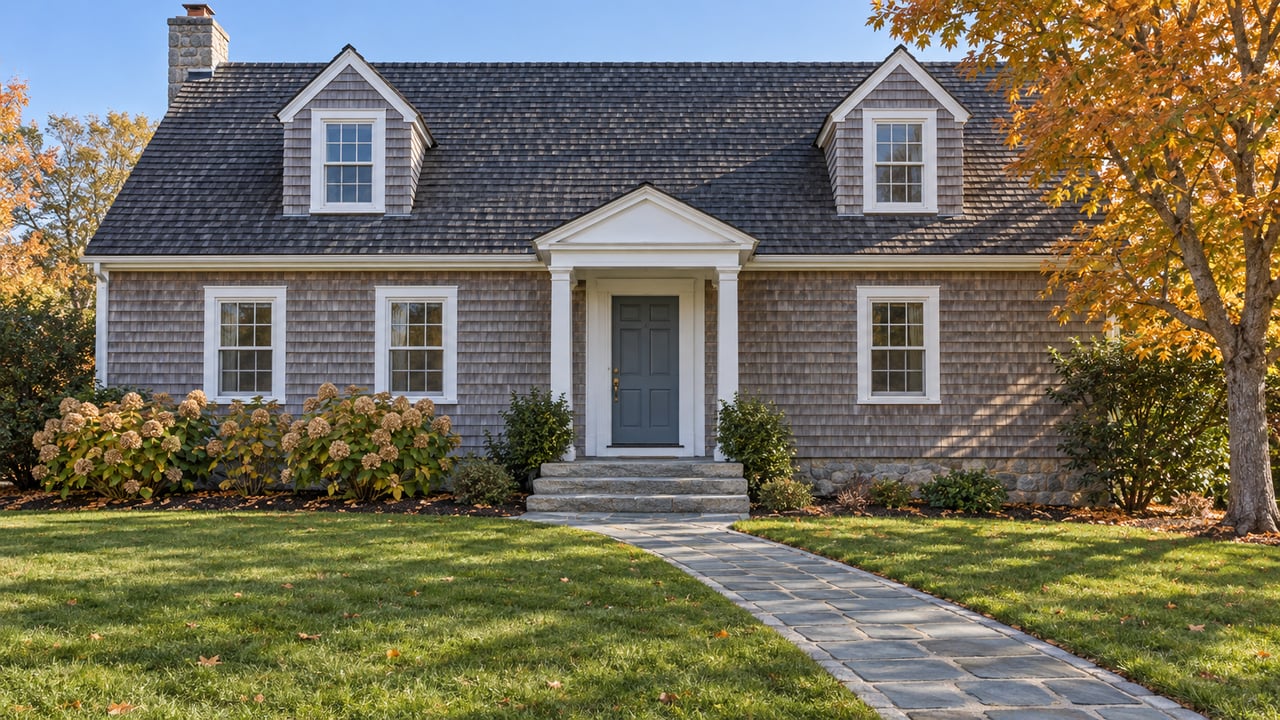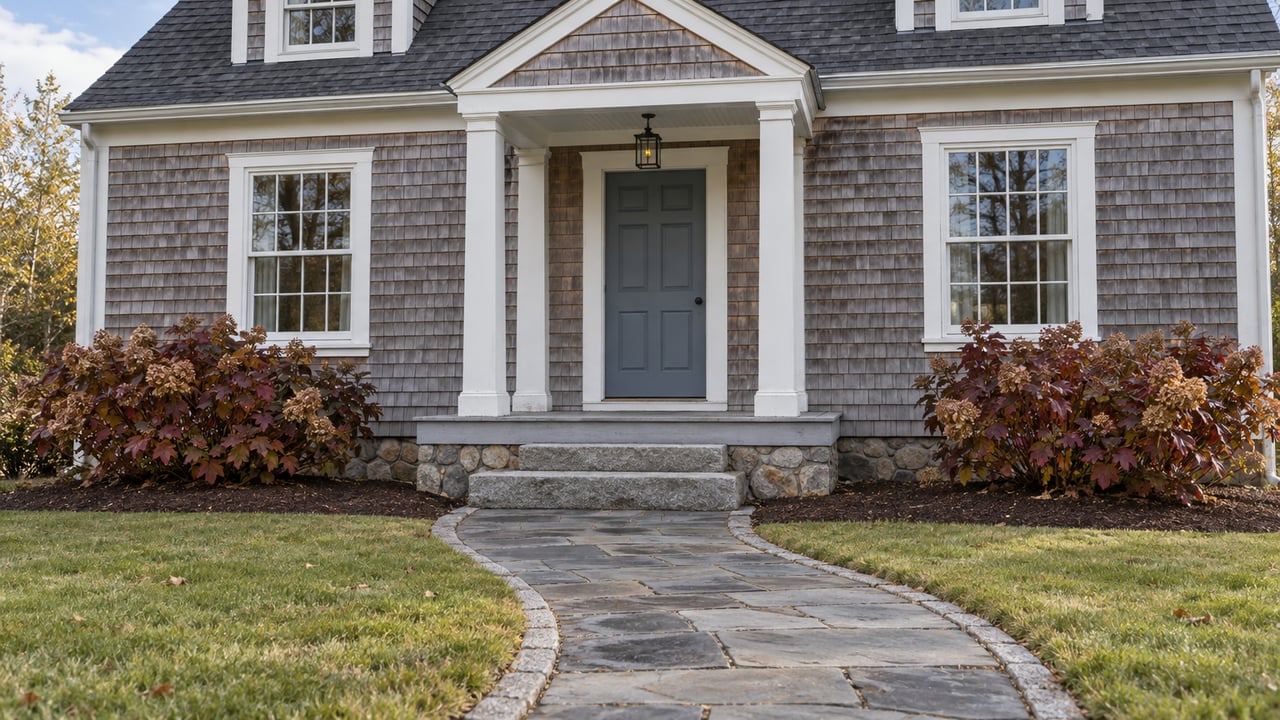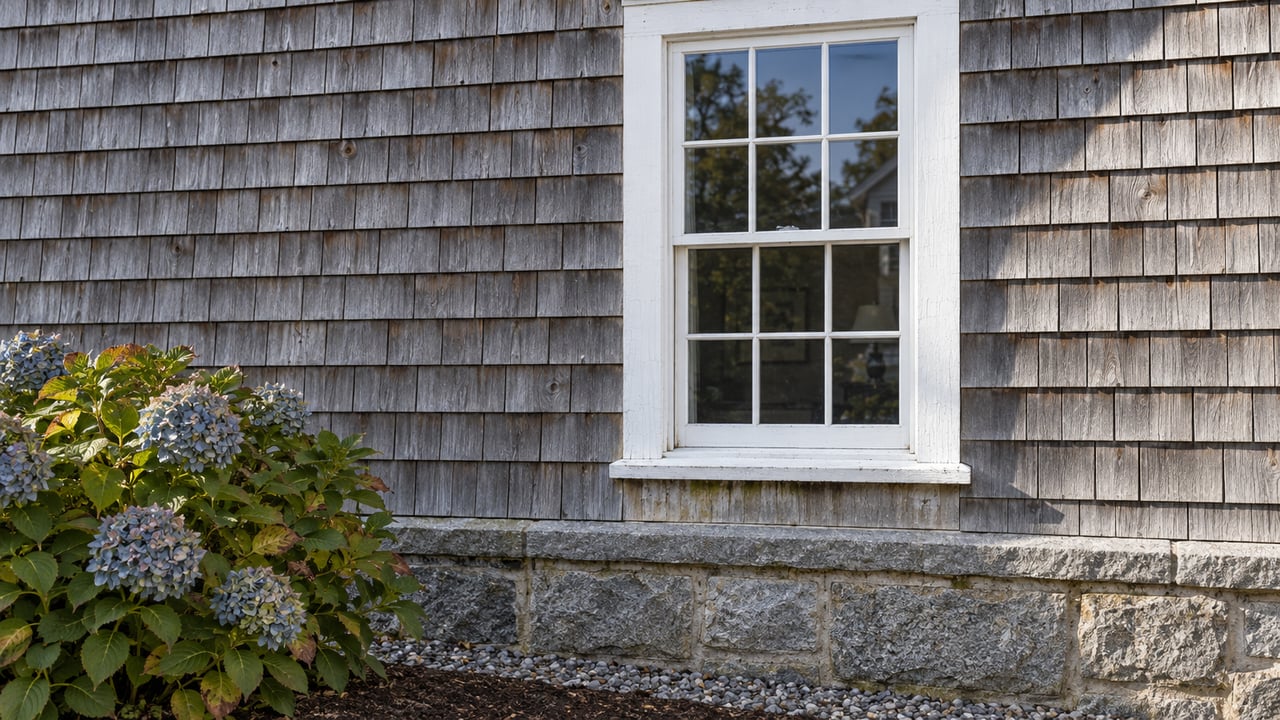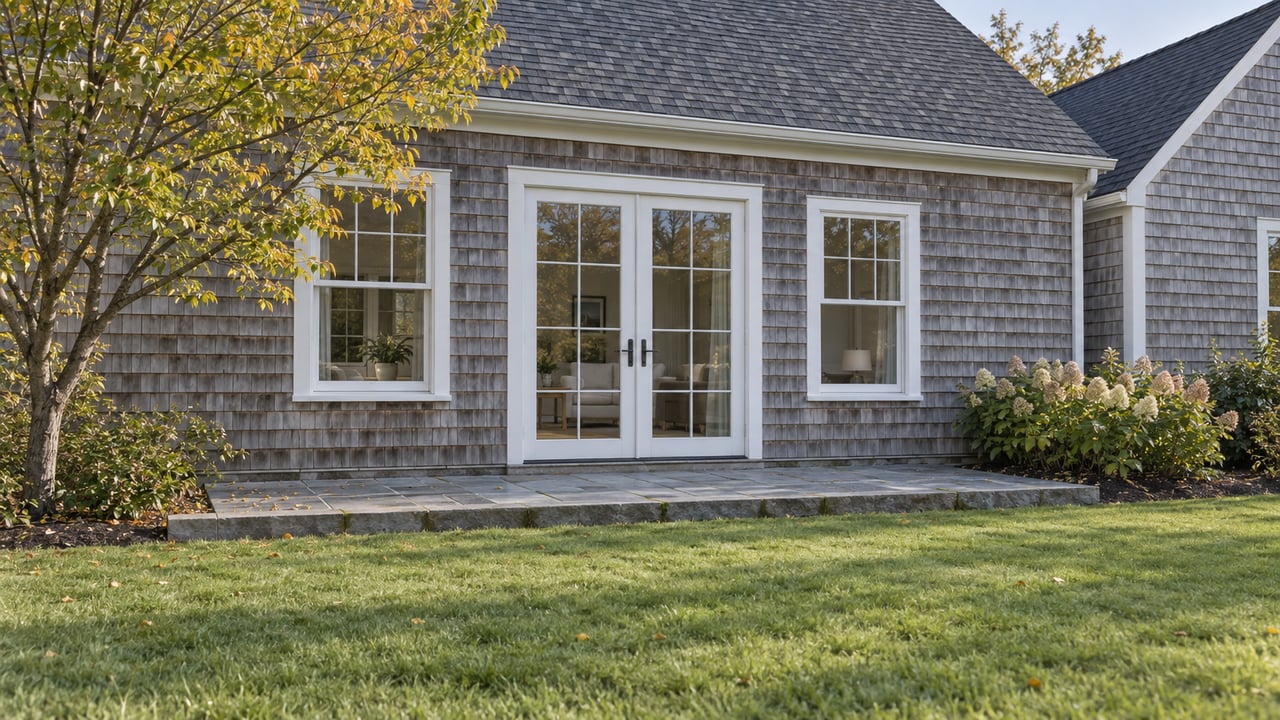
If your backyard feels more windswept than welcoming, you are not alone. In Marshfield, outdoor spaces have to work with coastal conditions like salt spray, shifting sandy soils, wet weather, and winter wear, not against them. The good news is that an inviting backyard retreat does not have to be elaborate to feel comfortable, useful, and appealing. With the right layout, plant choices, and a little planning, you can create an outdoor space that feels easier to enjoy in every season. Let’s dive in.
Start With Marshfield’s Coastal Reality
A successful backyard retreat in Marshfield begins with the site itself. The town’s coastal setting means many properties deal with wind, salt exposure, and sandy soils, all of which can shape what materials, plants, and layouts perform best over time. According to Marshfield’s Multi-Hazard Mitigation Plan, these coastal stressors are common local conditions.
Weather also affects how long you can comfortably use the space. Nearby NOAA climate normals for Plymouth-Kingston show warm-season average highs of 69.1°F in May, 84.0°F in July, 82.3°F in August, 75.7°F in September, and 65.4°F in October, along with 52.77 inches of annual precipitation and 37.9 inches of annual snowfall. That points to a strong three-season yard, but one that should also be ready for wet periods, winter storage, and freeze-thaw cycles.
Build Around Shelter First
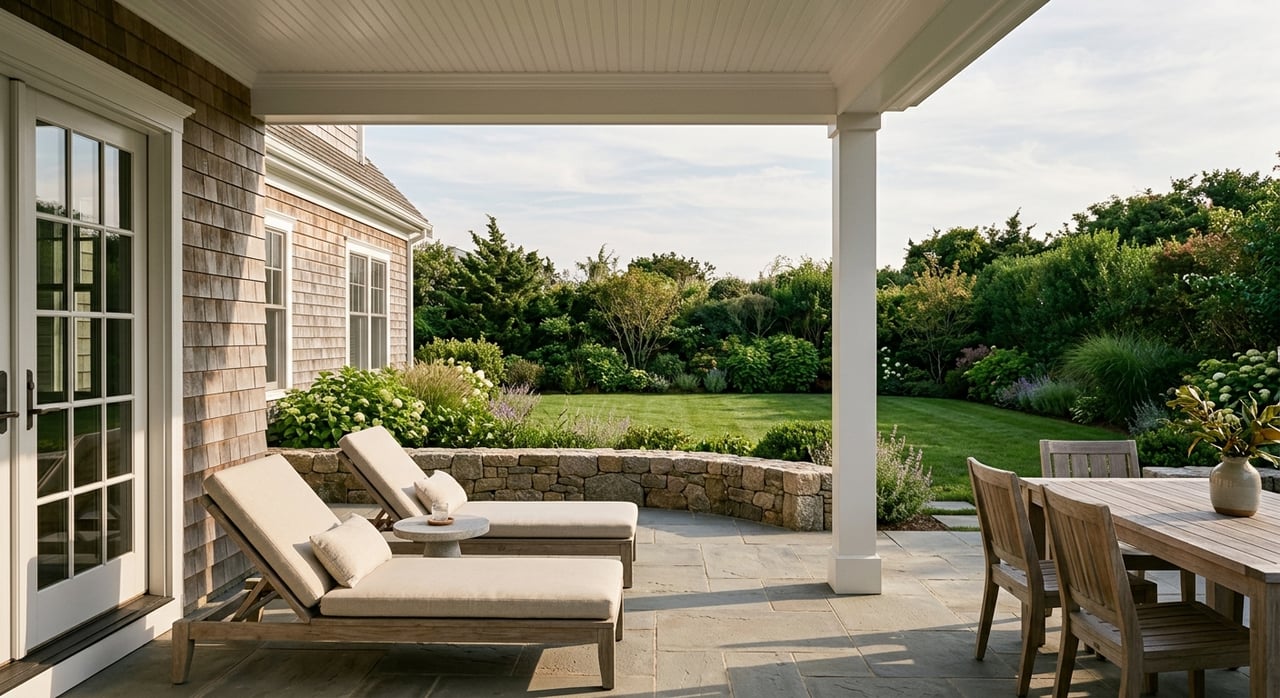
In Marshfield, comfort often comes down to creating a protected pocket of outdoor space. Instead of placing seating in the most open part of the yard, it usually makes more sense to position it near the house, beside a fence, or within layered plantings that soften the wind.
This approach works because microclimates matter. The USDA notes that sheltered spots can behave differently from exposed areas, sometimes feeling warmer and more usable than the rest of the yard. A simple shift in placement can make your patio or sitting area far more comfortable from spring through fall.
Smart places for seating
When planning your layout, look for spots that already offer some natural protection. Good options often include:
- a patio directly off the back door
- a seating area near a garage or side wall
- a corner framed by shrubs or low fencing
- a lounge zone tucked behind layered plantings
This kind of layout can make the yard feel more intentional while still staying relaxed and easy to maintain.
Choose Plants That Fit the Coast
Plant selection matters more in a coastal yard than in many inland locations. Marshfield is commonly identified as USDA Hardiness Zone 7a, but the USDA also notes that factors like wind, humidity, snow, and soil moisture can create very different growing conditions within the same property.
That is why native, salt-tolerant plants are often the strongest choice for exposed areas. Massachusetts coastal guidance highlights species such as beach plum, bayberry, common juniper, bearberry, switchgrass, little bluestem, seaside goldenrod, and red fescue as good fits for coastal conditions.
Where these plants work best
A practical strategy is to match tougher plants to tougher spots. In many Marshfield yards, that means:
- using grasses and groundcovers in windy edges
- placing low shrubs in exposed zones
- keeping more delicate plantings in sheltered areas near the house
- grouping plants densely to reduce bare soil and wind exposure
Massachusetts also recommends planting in spring or fall, when moisture is usually more available. That timing can help new plantings establish more successfully.
Rethink the Traditional Lawn
If you have struggled to keep every part of your lawn looking lush, the site may be telling you something. In coastal conditions, traditional turf can require more maintenance and may perform poorly in sandy or salt-affected areas.
For some Marshfield properties, a meadow-style or buffer-style planting is the more practical answer. Massachusetts notes that native buffers can stabilize soil, reduce runoff, and lower maintenance compared with lawn in difficult coastal areas. Replacing even part of the lawn can make the yard easier to care for while giving it a more natural coastal look.
A balanced approach
You do not have to give up lawn entirely to create a better backyard retreat. A balanced plan might include:
- a smaller lawn area for play or open space
- native grasses and shrubs around the perimeter
- a planted buffer in the most exposed section
- mulch or groundcover in places where grass struggles
This mix can help the yard look polished without requiring constant upkeep.
Add Shade and Plant Layers
A backyard retreat feels better when it has shape, softness, and a little relief from summer sun. Trees and layered vegetation can help define outdoor rooms while also improving comfort.
The EPA explains that trees and vegetation help cool the air and provide shade. Massachusetts also notes that shrubs and trees can capture stormwater and add shade, which makes them useful beyond appearance alone.
Why layering works
Layered planting usually means combining different heights and textures, such as:
- shade trees for overhead cover
- medium shrubs for screening and wind softening
- grasses or groundcovers at the front edge
This kind of planting can make a backyard feel more settled and private without relying on rigid barriers. It also supports a more natural transition between hardscape and open yard.
Keep Furnishings Flexible
In a place like Marshfield, the easiest outdoor spaces to live with are often the ones that can be reset quickly. Wind, salt exposure, and winter snow all make flexibility important.
Massachusetts coastal guidance supports the idea of weather-conscious landscape planning. For furnishings, that usually means choosing pieces that are easy to move, cover, or store rather than building your whole design around heavy accessories that are difficult to protect.
Look for practical outdoor pieces
If you want your retreat to be attractive and manageable, prioritize:
- seating that can be covered or moved before storms
- tables sized for your actual outdoor use
- storage-friendly accessories
- simple materials and finishes that are easier to maintain
This can help your yard stay functional without becoming another major maintenance project.
Think About Drainage and Permits Early
Before you add a patio, regrade part of the yard, or install a retaining wall, it is worth checking how your property fits into local rules and site conditions. This is especially important for homes near marshes, tidal areas, wetlands, or flood-prone land.
Marshfield’s planning materials note that the town’s Floodplain District is defined by FEMA’s 100-year floodplain, and that filling or altering wetland resource areas requires a permit from the Conservation Commission. The town references FEMA’s Flood Map Service Center as the official source for flood-hazard maps. FEMA also notes that coastal flood risk can come from storm surge, erosion, heavy rainfall, and the characteristics of the property itself.
For homeowners, the takeaway is simple: make drainage and permitting part of the design conversation from the start. That can save time, protect your investment, and help you avoid changes later.
Focus on Features Buyers Notice
If resale is part of your thinking, the best backyard improvements are usually the ones that feel attractive and manageable. In Marshfield, that often means simple seating areas, drainage-conscious hardscape, and plantings that fit the local environment.
Massachusetts coastal guidance points to native vegetated buffers as lower-maintenance options that also help stabilize soils and reduce storm-related damage. Those kinds of improvements can support both daily enjoyment and long-term appeal.
Backyard features with broad appeal
Many buyers appreciate outdoor spaces that offer:
- a clear place to sit or dine
- easy-care planting instead of constant lawn work
- shade and wind protection
- a layout that feels usable right away
A retreat that looks good on listing photos and also feels practical in real life can add meaningful value to how a property is experienced.
Keep the Design Simple and Local
The most inviting Marshfield backyards usually are not the flashiest ones. They are the spaces that feel comfortable, fit the property, and hold up well in coastal conditions.
A well-planned retreat might be nothing more than a sheltered patio, a few durable plant layers, and a smarter balance between lawn and native planting. If you are thinking about improvements with both lifestyle and resale in mind, working with a local real estate perspective can help you focus on updates that make sense for your home and your setting. If you are considering your next move on the South Shore, Brita Sheehan can help you understand what buyers notice, what adds day-to-day enjoyment, and how to position your property with confidence.
FAQs
What makes a backyard retreat practical in Marshfield?
- A practical Marshfield backyard retreat usually includes sheltered seating, coastal-tolerant plants, simple hardscape, and furnishings that are easy to protect or store during storms and winter weather.
What plants work well in a Marshfield coastal yard?
- Massachusetts coastal guidance highlights beach plum, bayberry, common juniper, bearberry, switchgrass, little bluestem, seaside goldenrod, and red fescue as strong options for exposed coastal conditions.
What USDA zone is Marshfield, Massachusetts?
- Marshfield is commonly listed as USDA Plant Hardiness Zone 7a, although wind, soil moisture, and other microclimate factors can affect what grows well in a specific yard.
Should Marshfield homeowners replace part of the lawn?
- In some yards, yes. Areas with salt exposure, sandy soils, or poor turf performance may be better suited to native buffer or meadow-style planting that can reduce maintenance and help with runoff.
Do backyard projects in Marshfield require permit review?
- They can. If your property is near wetlands, marshes, tidal areas, or flood-prone land, grading, fill, retaining walls, or similar projects may require review or permits, so it is wise to check local requirements early.
How can a backyard retreat help resale in Marshfield?
- Backyard improvements can support resale when they create attractive, low-maintenance outdoor space that feels usable, fits coastal conditions, and adds everyday comfort for future buyers.