Picture this: you find a home near the water in Scituate, fall in love with the view, and start imagining beach walks, harbor days, and salty air year-round. That dream is very real here, but so are the practical details that come with coastal ownership. If you are thinking about buying near the water in Scituate, it helps to understand not just the lifestyle, but also the flood, maintenance, insurance, and permitting questions that can shape your long-term costs and peace of mind. Let’s dive in.
Why Scituate draws near-water buyers
Scituate offers a true coastal lifestyle, not just a postcard setting. The town has multiple public beach areas, and Scituate Harbor brings together shops, restaurants, waterfront activity, and a Harborwalk in one active village setting. For many buyers, that means the water can be part of daily life, not just something you visit on weekends.
Another major draw is access. Several beach areas are within walking distance of seaside neighborhoods and village centers, which gives parts of Scituate a level of waterfront accessibility that stands out on the South Shore. If you commute, North Scituate station on the MBTA Greenbush line also provides an option to reach Boston’s South Station.
Scituate also has a strong boating culture. The harbormaster oversees moorings and slips in a harbor that supports both commercial fishing and recreational boating. If your ideal home search includes getting out on the water, that is an important part of the town’s appeal.
What Scituate homes near the water look like
One of the most interesting things about Scituate’s near-water housing stock is its variety. Local historic surveys show that waterfront and seaside neighborhoods developed over many decades, especially in areas like the Cliffs, where many homes date from the late 19th and early 20th centuries. That means you are not shopping in a one-style market.
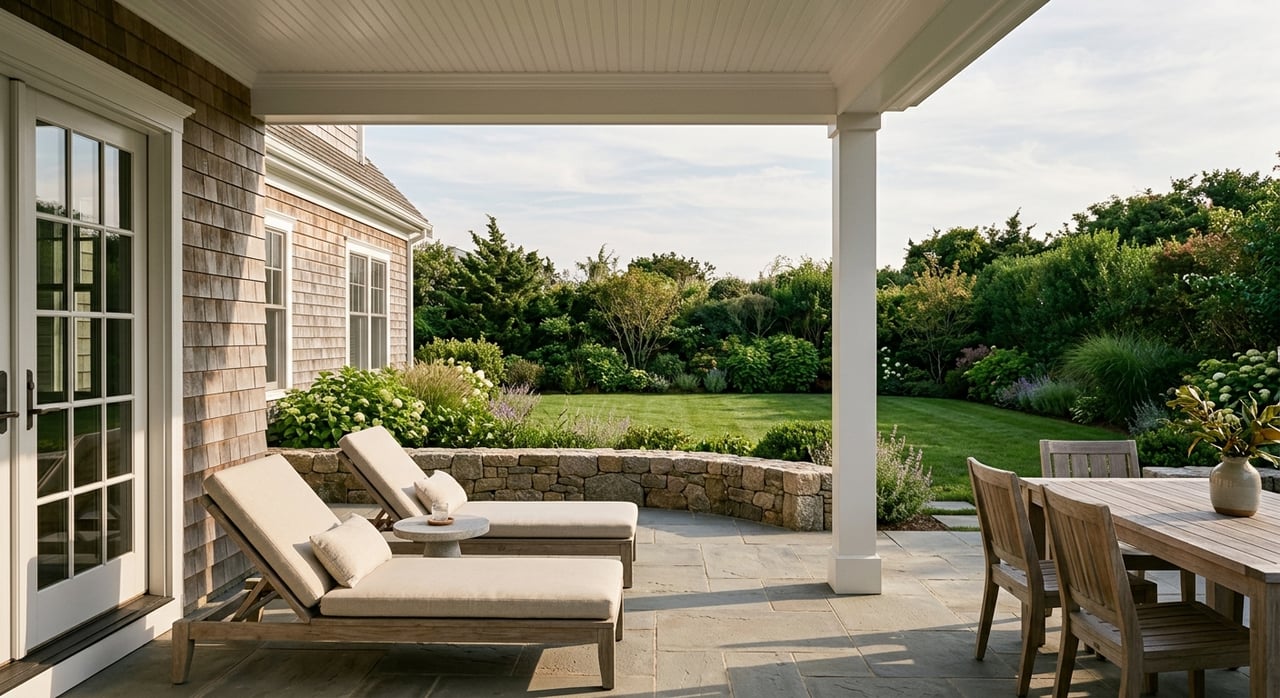
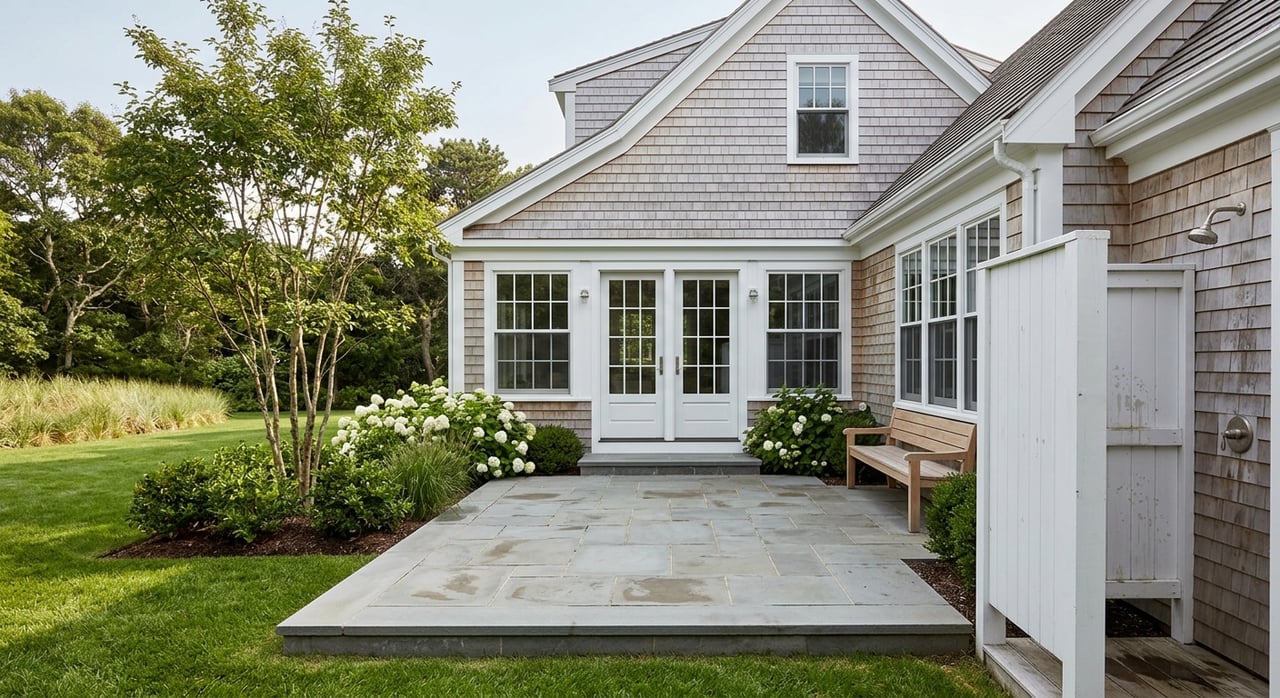
Instead, you will likely see an eclectic mix rooted in classic New England coastal design. Cape forms, Colonial Revival influences, and other traditional architectural styles all show up in the local landscape. You may also find older coastal cottages, later infill homes, and updated properties that reflect different periods of Scituate’s growth.
That variety matters because the age and style of a home often affect upkeep. Older homes may have tighter floor plans, more traditional framing, and exterior materials that need regular attention. Near the water, elements like paint, trim, flashing, siding, and windows can wear faster because of salt air and weather exposure.
Flood risk is part of the conversation
If you are buying near the water in Scituate, flood risk should be one of your first due diligence items. According to the town, Scituate is vulnerable to high tides, storm surge, large waves, and heavy precipitation, with nor’easters causing most of the flood hazard. This is a local reality, not a remote possibility.
The town points buyers to FEMA’s Flood Map Service Center as the official source for flood-hazard information. Scituate also notes that a 1% annual chance flood has at least a one-in-four chance of affecting a property during a 30-year mortgage. That is why flood-zone status deserves careful review before you make an offer.
It is also important to know that one map does not tell the whole story. The town cautions that its GIS flood layer may not always be current, so buyers should verify information through the official FEMA map. In practice, you will want to look separately at the mapped flood zone, the elevation of the home, and the lot’s relationship to wetlands or shoreline areas.
Erosion matters too
Flooding is only part of the coastal risk picture. Scituate’s coastal erosion assessment explains that parts of the shoreline were heavily developed from the 1920s through the 1960s and that some areas now face serious long-term exposure. In certain locations, the report warns about overwash, undermining, and even collapse where there is little or no beach at high tide to reduce wave energy.
For buyers, this means you should think beyond today’s curb appeal. A near-water property may offer amazing access and views, but you also want to understand how the site has performed over time and what future shoreline conditions could mean. Coastal ownership in Scituate works best when you evaluate both the lifestyle upside and the physical exposure.
Permits and local review can affect future plans
A lot that looks simple on first glance can come with meaningful local review requirements. Scituate requires a permit for all land alterations in the special flood hazard area. The Conservation Commission also reviews work within buffer zones, flood plains, salt marshes, coastal banks, barrier beaches, dunes, beaches, and riverfront areas.
That means projects you might think of as routine, such as exterior improvements, grading, or other site work, may require additional approvals if the home is close to protected areas. If you are buying with plans to expand, renovate, or rework the exterior, this should be part of your upfront research. It is much easier to go into a purchase with clear expectations than to learn later that the property is more regulated than you thought.
Insurance and long-term costs
Near-water ownership is not just about the purchase price. Insurance can be a major part of your monthly and annual housing costs. Flood insurance is typically separate from a standard homeowners policy, and lenders may require it when a property is located in a Special Flood Hazard Area.
Scituate does participate in FEMA’s Community Rating System, and the town reports a Class 7 rating that gives residents a 15% flood-insurance discount. That can help, but buyers should still budget carefully and confirm expected insurance costs early in the process. A home that feels affordable at first glance may look different once flood coverage is added to the picture.
Timing matters too. NFIP policies typically have a 30-day waiting period, so this is not something to leave until the last minute. If flood insurance may be required, it is smart to sort that out as early as possible.
Mitigation may be part of ownership
Some buyers may also want to explore mitigation options. Scituate’s Home Elevation Grant Program is aimed at NFIP-insured homes in the Special Flood Hazard Area and applies only to properties that can be elevated safely and in compliance with local code. The program also requires bids from at least three contractors.
The bigger takeaway is simple: think in lifecycle terms. In Scituate, the long-term cost of a near-water home can include more than taxes, utilities, and routine upkeep. It may also include elevation work or other resilience improvements over time.
Sewer, septic, and property infrastructure
Infrastructure is another area where buyers should slow down and ask detailed questions. Scituate’s sewer division operates the town wastewater treatment plant, pump stations, and miles of sewer infrastructure, but not every property has the same setup. You will want to confirm whether the home is on town sewer or septic.
If a property is connected to town sewer, Scituate requires private sewer services made of clay, cast iron, or asbestos concrete to be replaced when the property is sold or transferred. The town also notes that the private line within the lot belongs to the owner. That makes sewer-line condition an important part of your due diligence.
If the property is on septic, Title 5 status matters. The town states that a Title 5 inspection report is valid for three years if the system has been pumped within the last year, and the Board of Health oversees septic permits and related local rules. Whether a home is on sewer or septic, the goal is the same: know the system, know the records, and know if any near-term costs may be coming.
Maintenance hits differently near the coast
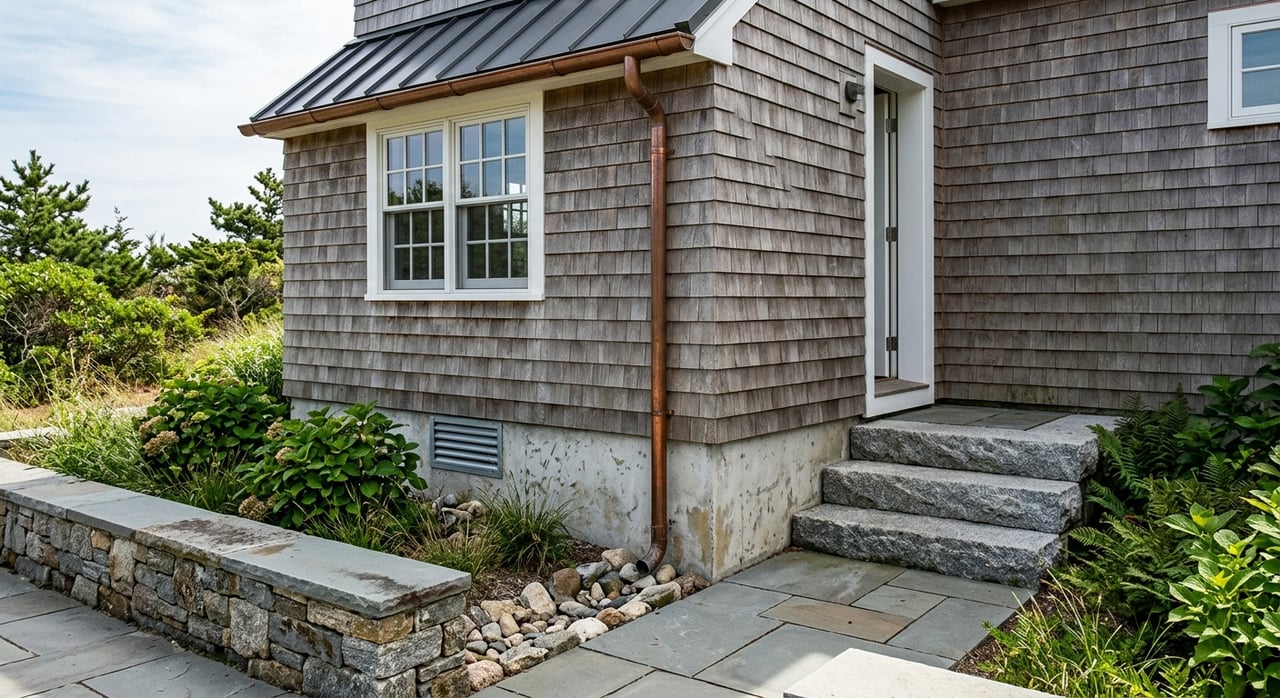
Even a beautifully updated home can have higher maintenance needs near the water. Coastal conditions expose homes to flood, wind, corrosion, and decay, which can affect everything from railings and fasteners to siding, windows, and mechanical systems. Material choices matter in a marine environment.
That is why buyers should ask not only what a home looks like today, but how it has been cared for. A documented maintenance history can be very helpful, especially for exterior components and systems exposed to salt air. If the home has had thoughtful updates using durable materials, that can make a meaningful difference over time.
Massachusetts also projects additional sea-level rise, with current guidance estimating a rise of 0.6 to 1.1 feet above 2000 levels by 2030. While that projection is broader than Scituate alone, it reinforces the same point local buyers should keep in mind: near-water ownership should be evaluated over years, not just seasons.
Questions to ask before making an offer
When you are serious about a near-water home in Scituate, these are some of the most useful questions to ask:
- Is the property in a Special Flood Hazard Area or mapped floodplain?
- Has the property flooded before?
- What is the base flood elevation?
- Has the home been elevated or otherwise mitigated?
- Are mechanical systems, utility panels, and major appliances above expected flood levels?
- Is the lot near wetlands, dunes, beaches, or riverfront areas that may trigger Conservation Commission review?
- Is the property on town sewer or septic?
- If it is on sewer, are there any private sewer-line replacement issues tied to a transfer?
- If it is on septic, what is the current Title 5 status?
- If boating is part of your plan, are there mooring or slip wait lists to consider?
These questions can help you compare homes more clearly. Two properties with similar price points and similar views may come with very different ownership responsibilities.
Why local guidance matters
Buying near the water in Scituate is rarely a one-size-fits-all decision. One property may offer easy beach access and manageable exposure, while another may involve more complex flood, erosion, or infrastructure considerations. The details matter, especially when your purchase is tied to both lifestyle and long-term financial planning.
That is where local, property-specific guidance can make a real difference. When you understand how flood zones, wetlands review, sewer or septic status, insurance, and maintenance all fit together, you can make a more confident decision about whether a home truly fits your goals.
If you are considering near-water living in Scituate, working with someone who understands the South Shore’s coastal housing stock can help you ask better questions from the start. For tailored guidance on Scituate and nearby South Shore communities, connect with Brita Sheehan.
FAQs
What should buyers know about flood zones in Scituate?
- Buyers should verify whether a property is in a Special Flood Hazard Area by checking the official FEMA flood map and reviewing the home’s elevation and location relative to wetlands or shoreline areas.
What makes near-water homes in Scituate different to maintain?
- Near-water homes often face more exposure to salt air, wind, moisture, corrosion, and weather, so buyers should pay close attention to exterior materials, windows, trim, railings, and maintenance records.
What should buyers ask about sewer or septic in Scituate?
- Buyers should confirm whether the property is on town sewer or septic, review sewer-line or Title 5 records, and check for any transfer-related replacement or compliance requirements.
What lifestyle benefits come with living near the water in Scituate?
- Buyers are often drawn to public beach access, Scituate Harbor, boating opportunities, walkable seaside areas, and commuter access through North Scituate station on the MBTA Greenbush line.
What local reviews can affect property improvements in Scituate?
- Homes near flood zones, wetlands, dunes, beaches, coastal banks, or riverfront areas may require permits or Conservation Commission review for certain exterior or site changes.