Shopping near the million-dollar mark on the South Shore? If you are eyeing waterfront views, larger lots, or newer homes in North Plymouth and across Plymouth County, your financing could cross into jumbo territory. Knowing when a loan becomes jumbo and what lenders expect can save you time, money, and stress. In this guide, you will learn how to check the current county limit, what jumbo lenders look for, how rates and costs compare, and the steps to qualify with confidence. Let’s dive in.
What is a jumbo loan?
A mortgage is considered a jumbo when the loan amount exceeds the conforming loan limit set by the Federal Housing Finance Agency for the county and the year. Conforming loans can be sold to Fannie Mae or Freddie Mac. Jumbo loans cannot, so they are funded and held by private investors or a lender’s own portfolio.
How the limit works
The FHFA updates conforming loan limits every year based on home price changes. Some counties also have a higher high-cost limit. Because limits are county-based and change annually, a loan amount that is jumbo in one county or year might be conforming in another.
How to check Plymouth County’s limit
Before you make financing decisions, verify the current conforming and any high-cost limits for Plymouth County on the FHFA’s official loan limit lookup. If the county’s ceiling for the year is above your target loan amount, you may still qualify for a conforming loan.
South Shore context near $1M
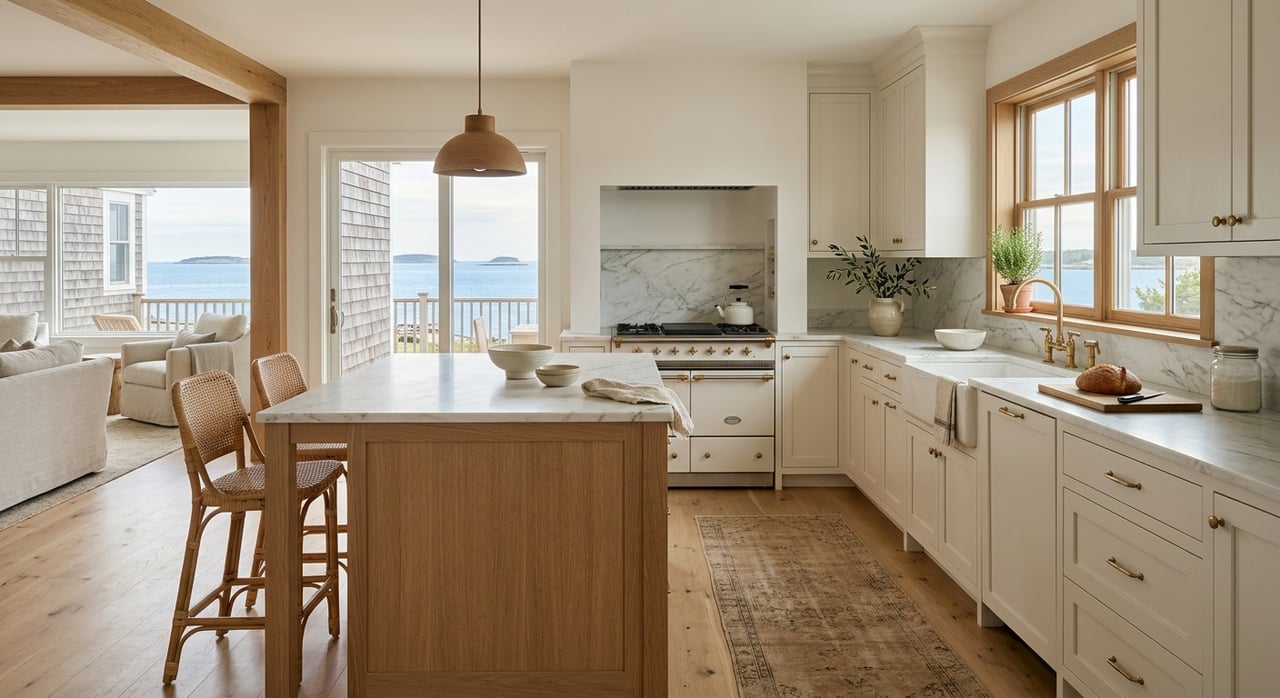
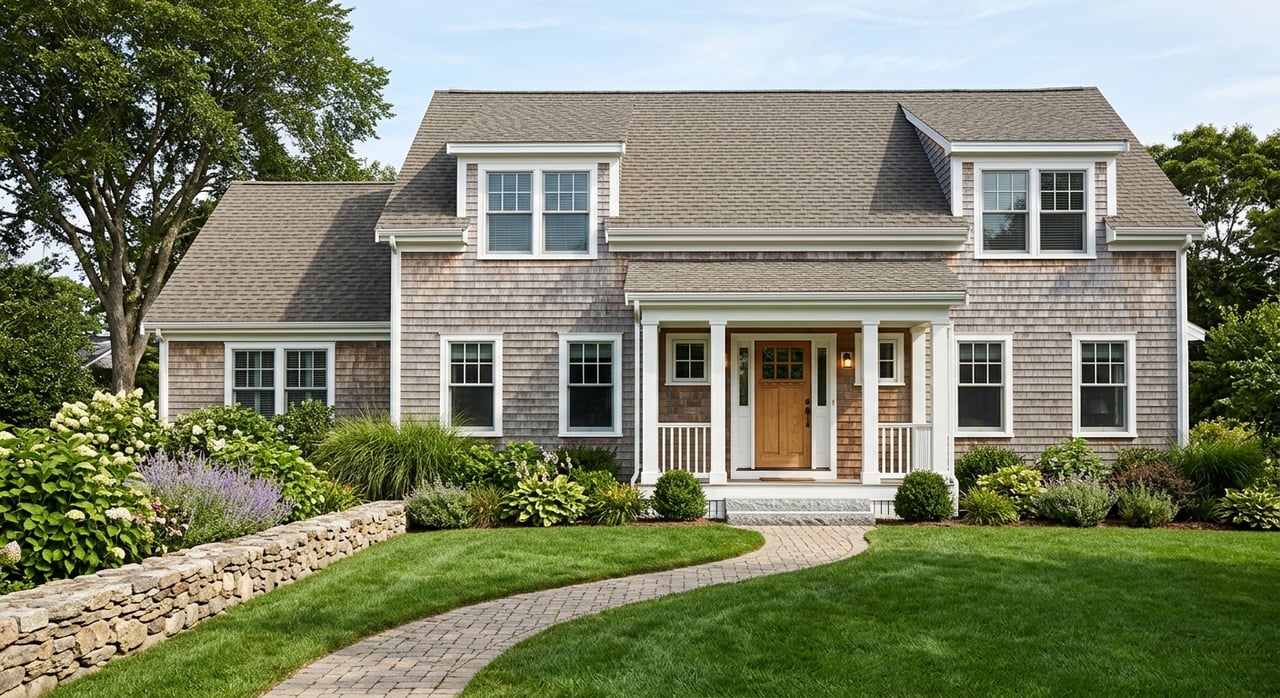
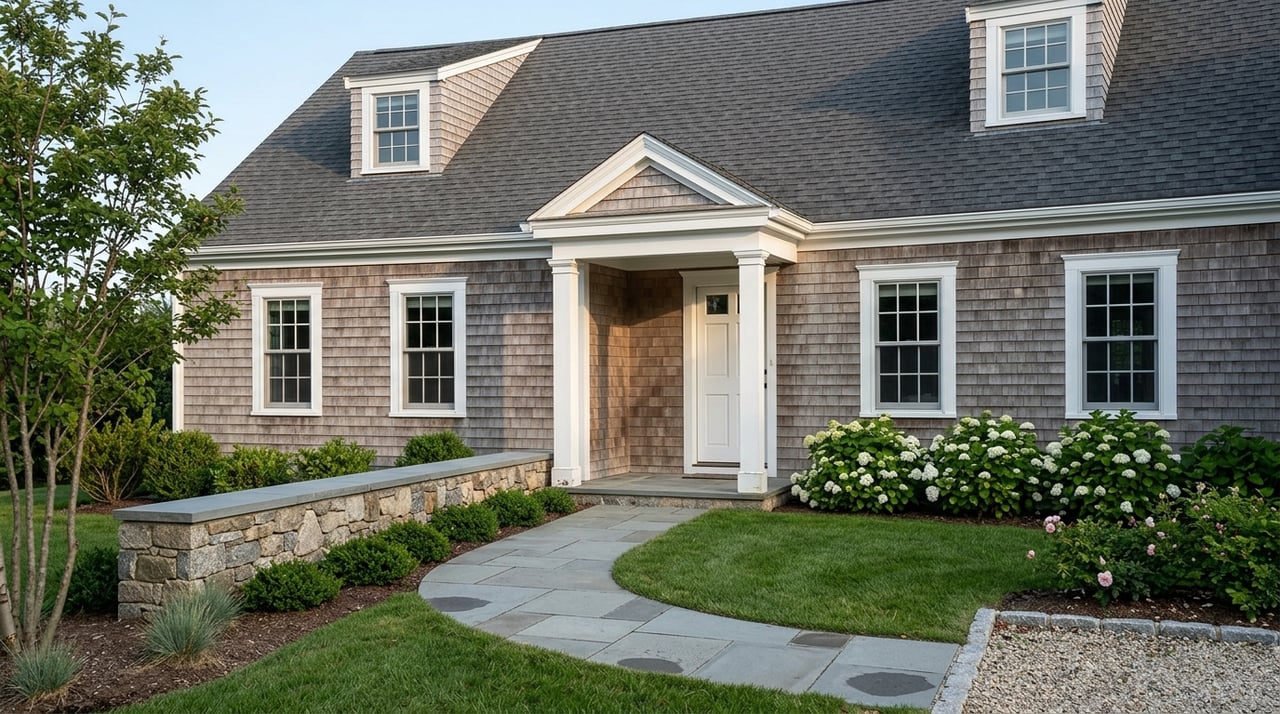
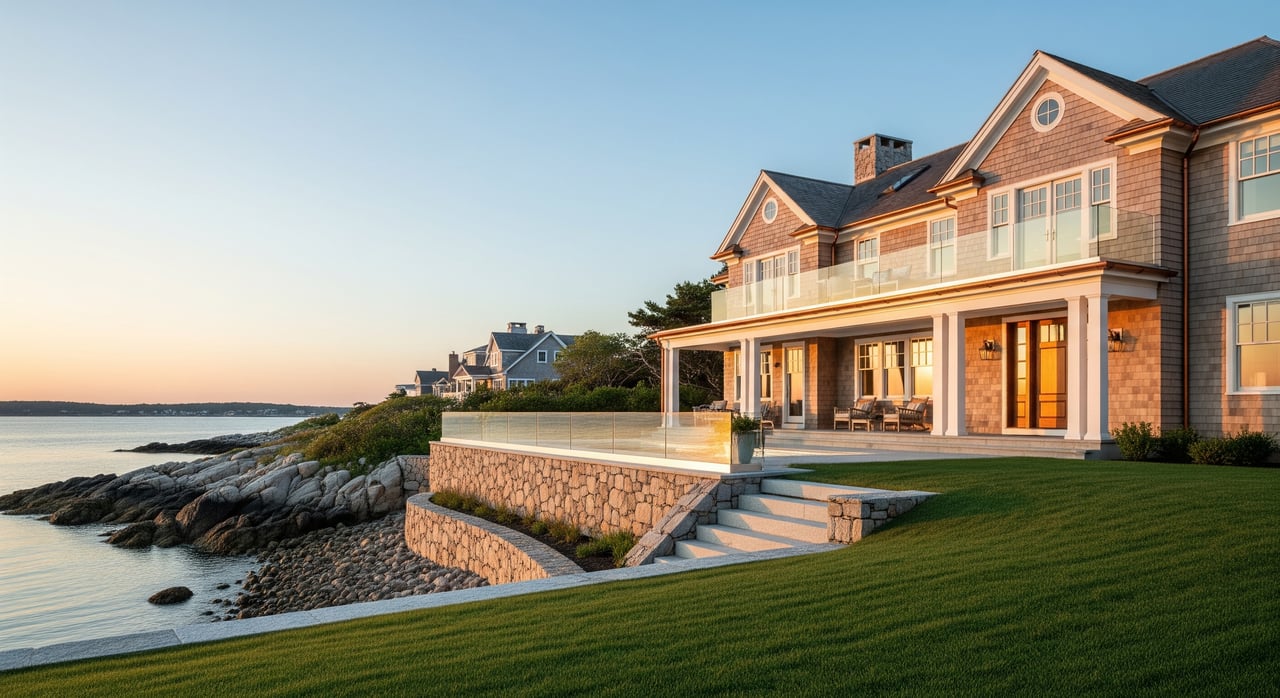
The South Shore includes a wide range of price points. Waterfront and premium properties in towns like Marshfield and North Plymouth often reach or exceed the 900,000 to 1,000,000 range. For buyers at this level, whether your loan is jumbo depends on the county limit in the year you close, not on neighborhood medians.
Local banks, credit unions, and regional mortgage lenders commonly offer jumbo options due to higher area prices. Some portfolio lenders provide flexible terms on reserves or documentation. Appraisals for coastal or unique homes may require more time and specialized comps, which can affect your approval timeline.
Jumbo qualification basics
Jumbo underwriting varies by lender, but most follow similar themes for well-qualified buyers purchasing a primary residence.
Credit score
Many lenders look for scores in the 700 to 740 range for competitive pricing. Stronger credit in the 720 to 760 range can open more products and better rates. Higher scores can also reduce reserve needs.
Down payment and LTV
Typical down payments range from 10% to 25% based on lender, borrower strength, and property type. Lower loan-to-value ratios, often 80% or less, tend to get better terms. Loans above 80% LTV exist but are less common and usually cost more.
Debt-to-income ratio
Jumbos usually call for tighter debt-to-income caps than conforming loans. Many lenders target 36% to 43%. Strong compensating factors can sometimes allow a higher DTI at select lenders.
Cash reserves
Expect to document significant reserves, commonly 6 to 12 months of principal, interest, taxes, and insurance. Larger loan amounts, higher LTVs, second homes, or self-employment can increase this requirement. Reserve rules vary widely, so comparing lenders matters.
Income and employment docs
Salaried buyers should be ready with recent pay stubs, two years of W-2s, and employment verification. Self-employed buyers typically provide two years of personal and business tax returns and a profit and loss statement. Some lenders offer bank-statement or asset-qualifying jumbos with different pricing and documentation.
Assets and funds to close
Lenders will review recent bank and investment statements and the source of your down payment. Large deposits must be documented, such as transfers, asset sales, or allowed gifts.
Property type and occupancy
Primary residences receive the most favorable terms. Second homes and investment properties often require larger down payments and come with higher pricing. Unique or nonstandard homes may need extra appraisal review.
PMI on a jumbo
Private mortgage insurance is not typically available on jumbo loans. Lenders manage risk by requiring more equity or by adjusting pricing.
Rates, costs, and appraisals
Jumbo vs. conforming rates
Jumbo rates are not always higher than conforming. The spread changes with investor demand, borrower profile, and product type. Your credit, LTV, loan size, and fixed versus adjustable choice all influence pricing.
Closing costs and fees
Overall closing costs are similar to conforming loans. High-value properties may need more extensive title work or specialized appraisals, which can add third-party fees. A larger down payment eliminates mortgage insurance but increases cash needed at closing.
Appraisal and valuation
Coastal and higher-value homes often require deeper appraisal analysis and occasionally a second opinion. This can extend timelines and slightly increase costs. Plan for extra time if the property is waterfront, custom, or has limited comparable sales.
Structuring options if you are near the line
80/10/10 piggyback
You can pair a conforming first mortgage with a second loan or HELOC to keep the first under the county limit. This can avoid a full jumbo, but the second loan has its own rate and underwriting, which adds complexity.
Portfolio lenders and credit unions
Local banks and credit unions on the South Shore often hold loans in their portfolios. They may offer flexible reserves or alternate documentation, which can help self-employed buyers or those with unique income profiles.
Bigger down payment or short-term HELOC
A larger down payment can move you back into conforming territory. Some buyers use a HELOC for short-term flexibility and then refinance once timing or cash flow improves. Weigh the total cost and your risk tolerance.
Timeline expectations
Plan for 2 to 6 weeks from application to clear to close, depending on appraisal availability and how quickly you provide documents. Coastal or unique properties may need extra time for valuation.
Step-by-step plan for Plymouth County buyers
- Check the FHFA county loan limits for Plymouth County for the year you plan to close.
- Get preapproved with at least two lenders. Consider a national aggregator, a local bank or credit union, and a mortgage broker experienced with South Shore jumbos.
- Strengthen your profile. Aim to improve credit, reduce DTI, and document liquid reserves before you shop.
- Explore structures. Compare a full jumbo against a piggyback, a larger down payment, or a portfolio lender option.
- Plan your timeline and cash. Build in appraisal time and reserve requirements so you can move quickly on the right home.
What to gather: documentation checklist
- Government-issued ID
- Last 2 years of personal tax returns
- Last 30 to 60 days of bank and asset statements
- Last 2 years of W-2s and recent pay stubs, if salaried
- Business tax returns and profit and loss statements, if self-employed
- Signed purchase and sale agreement when available
- Documentation for large deposits or transfers
- Gift letters if applicable
- List of current debts and monthly payments
Work with a local advisor
Buying near $1M on the South Shore calls for a clear financing plan and a steady hand. A local advisor can help you align property goals with financing reality, set expectations for appraisals on coastal homes, and coordinate with lenders who know Plymouth County. If you want practical guidance from search to close, connect with a trusted neighborhood expert.
Ready to plan your next move? Reach out to Brita Sheehan for a conversation about your goals and a tailored game plan.
FAQs
Is a $1M mortgage a jumbo in Plymouth County?
- Not always. It depends on the FHFA conforming and any high-cost county limits for the year you close, so check the current Plymouth County thresholds.
Can self-employed South Shore buyers qualify for a jumbo?
- Yes. Expect to provide two years of personal and business tax returns and a profit and loss statement. Some lenders offer bank-statement or asset-based options.
How much down payment is typical for a jumbo in Massachusetts?
- Many buyers put 20% or more down for better pricing, though lenders may allow 10% to 25% depending on your profile and the property.
Do jumbo loans always have higher interest rates than conforming?
- No. Jumbos are often higher priced, but the spread changes with market conditions, your credit, LTV, and lender appetite.
How long does a jumbo purchase take to close on the South Shore?
- Plan for 2 to 6 weeks from application to clear to close, with coastal or unique properties sometimes requiring more time for appraisals.