Torn between Marshfield and Scituate for your South Shore move? You are not alone. Both are beloved coastal towns with beaches, boating, and a manageable reach to Boston, yet they feel different street to street. This guide breaks down lifestyle, commute, housing, and ongoing costs so you can match your goals to the right micro-market. Let’s dive in.
South Shore snapshot
Marshfield and Scituate sit along the Plymouth County coast, each with distinct neighborhoods and a strong sense of place. Scituate feels more compact around its harbor village, while Marshfield stretches across several villages with both inland and oceanfront options. Historically, Scituate’s housing values trend higher overall, driven by its walkable harbor, direct waterfront inventory, and commuter rail access. Marshfield offers broader variety, from larger inland lots to multiple beach enclaves that can deliver more space or a lower entry point depending on location and condition.
Housing styles and neighborhoods
Marshfield: Variety and space
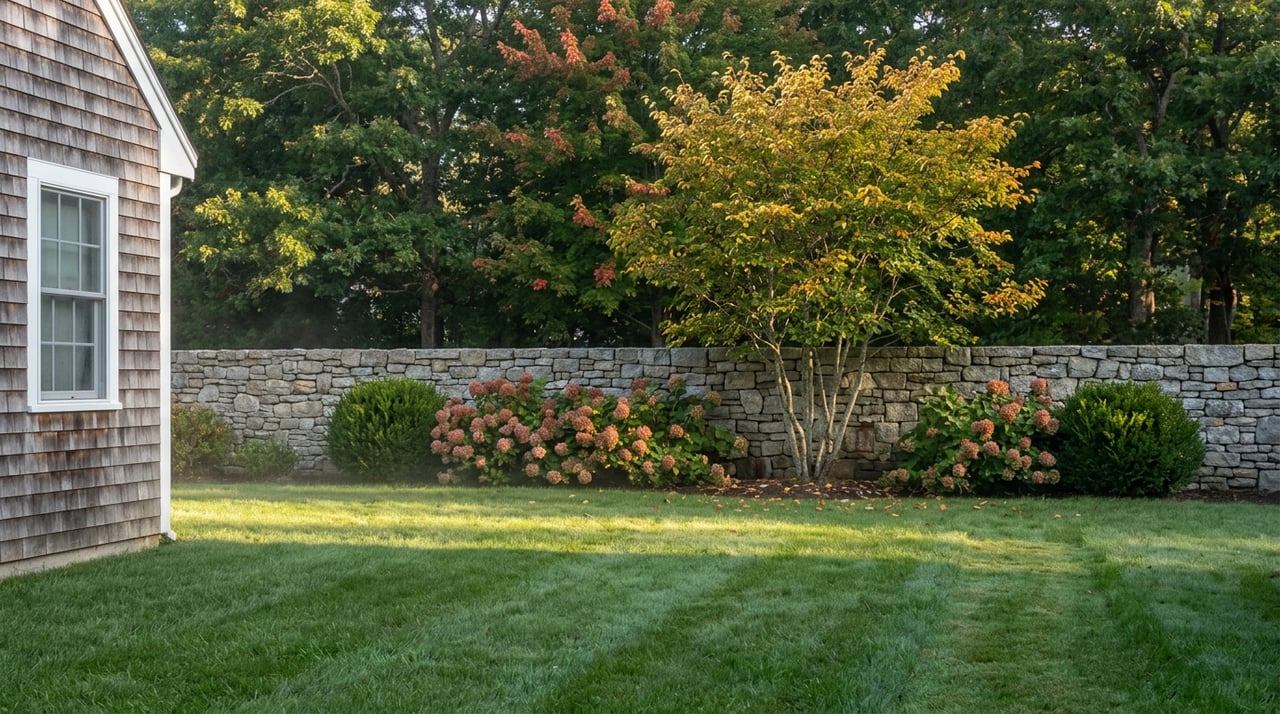
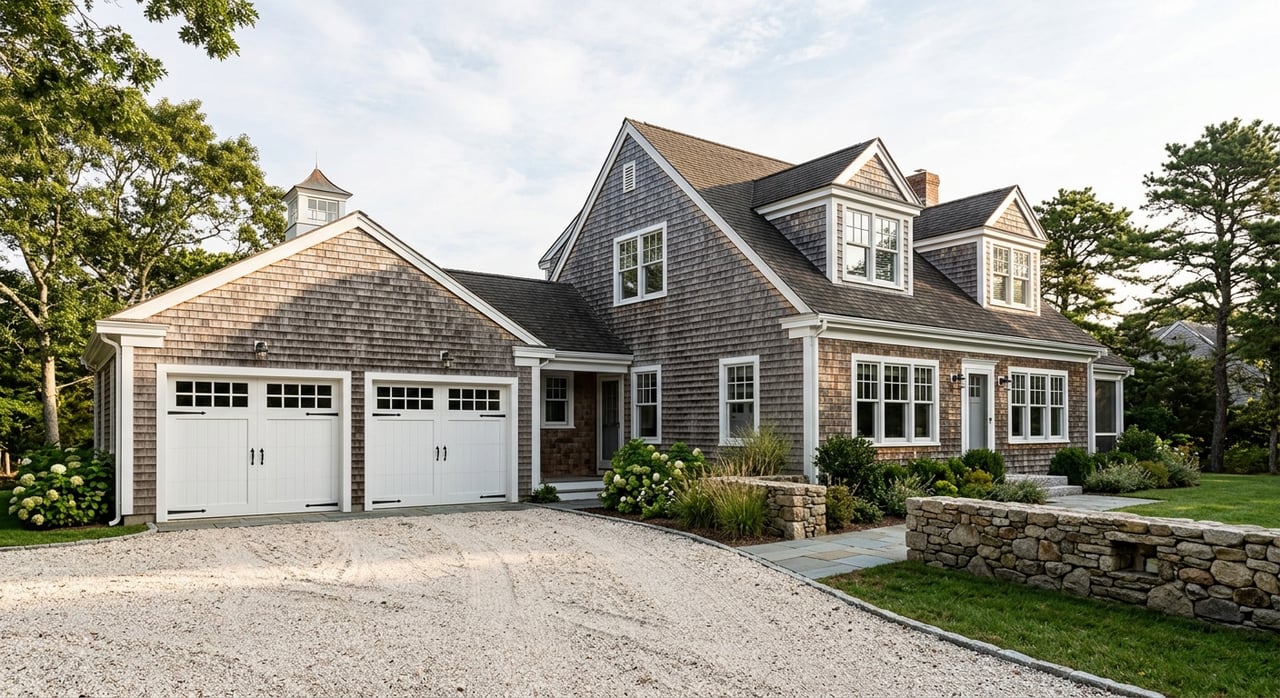
In Marshfield, you will see classic Capes and Colonials, ranches, post-war homes, newer construction, and seaside cottages in its barrier-beach areas. Inland neighborhoods typically offer larger lots and a more suburban feel. Along the shoreline, homes can be older, sometimes on tighter parcels, with renovation levels that vary widely. If you want yard space or a newer build without chasing a waterfront premium, inland Marshfield often puts more options on the table.
Scituate: Harbor charm and coastal character
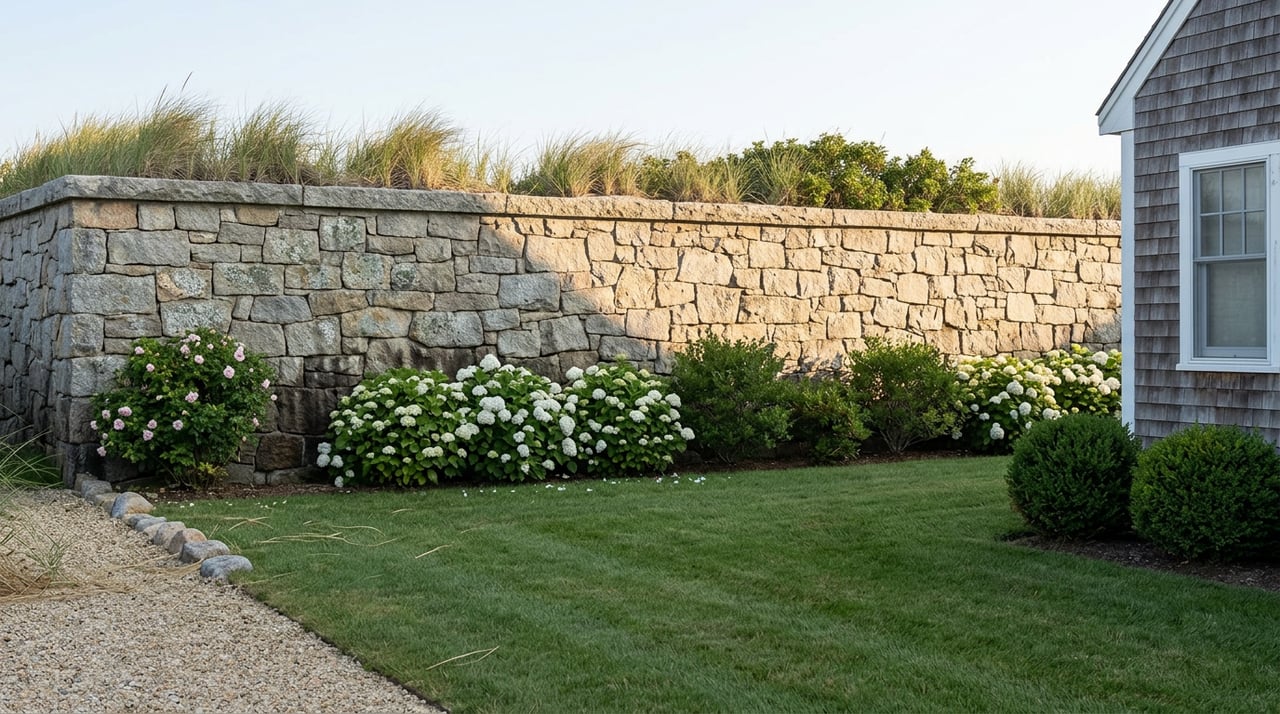
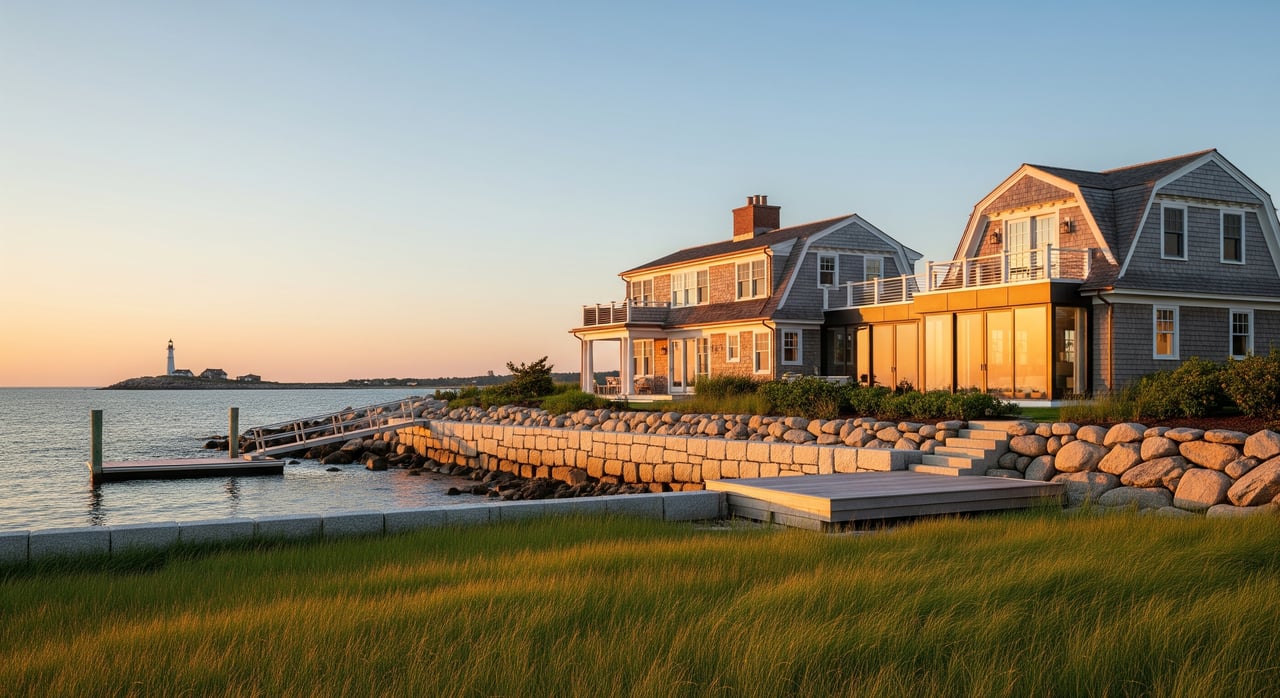
Scituate blends historic coastal architecture with renovated village homes and newer builds in select pockets. Near the harbor and lighthouse, lots are generally denser, with strong walkability to dining and marinas. Scituate’s waterfront and walk-to-harbor streets tend to carry premiums. If you envision a compact coastal setting with a lively harbor scene, Scituate’s village districts are a natural fit.
Pricing and market dynamics
Both towns segment into clear micro-markets: harbor and village, oceanfront and barrier beaches, and inland residential areas. Waterfront and walkable harbor locations typically command higher prices and faster competition than inland neighborhoods. Spring and early summer often bring more listings, especially for near-water properties, while late fall can be quieter. Days on market, inventory, and median prices change rapidly by neighborhood. If you plan to buy soon, align your timing with the seasonal rhythm and review current numbers with your agent.
Beaches and coastal lifestyle
Marshfield: Sandy stretches and seasonal energy
Marshfield’s coastline includes long sandy beaches and barrier-beach neighborhoods. Expect a classic beach-town rhythm in summer, with seasonal parking rules and resident passes common in peak months. Beach areas can include smaller cottages and year-round homes, so the vibe varies block by block. If you like morning walks on open sand and a more spacious feel inland, Marshfield delivers a nice balance.
Scituate: Harbor views and landmark moments
Scituate’s scenic lighthouse and harbor frame much of the town’s coastal experience. Beaches range from sandy sections to cobble stretches depending on the shoreline. Near the harbor, you will find waterfront parks, lively seasonal spots, and easy access to boating. If you want to pair beach days with dinner in a harbor village, Scituate puts that lifestyle within reach.
Marinas and boating culture
Marshfield: Multiple access points
Marshfield offers a mix of marina access and boat-friendly neighborhoods. You will find options for moorings, slips, and seasonal storage through local facilities and harbormaster programs. Protection and exposure vary by location, which can influence boat size and seasonal use. If you value options and room to trailer or store gear, Marshfield’s spread-out footprint can help.
Scituate: Harbor-centered community
Scituate’s boating scene revolves around a compact, active harbor with a strong mix of recreational and working-waterfront activity. Marina services, sailing programs, and a harborfront village make it easy to combine boat ownership with walkable amenities. Waiting lists and fee structures can vary, so plan ahead if a slip or mooring is essential to your lifestyle.
Commute and transit
Scituate is served by the MBTA Greenbush Line, which offers a rail option into Boston during scheduled service. Several neighborhoods are a short drive to stations, and parking can be a deciding factor during peak commute hours. Marshfield does not have a direct commuter rail stop, so residents typically drive to nearby Greenbush stations or rely on Route 3, Route 139, and Route 3A for car commutes. If you prioritize a predictable rail ride, Scituate has the edge. If you work hybrid or remote and want more space at home, Marshfield opens up more inland choices.
Risks and recurring costs to plan for
Flood, storm surge, and insurance
Coastal properties in both towns can fall within flood zones, including higher-risk coastal velocity areas. Lenders may require flood insurance when a home sits in a mapped flood zone. Elevation, shoreline protection, and building systems all influence insurability and premiums. Smart next steps include checking the FEMA flood map for any address you consider, asking for an elevation certificate if available, and getting insurance quotes early.
Zoning, permitting, and rebuilding
Coastal and near-coastal projects often trigger floodplain and conservation rules, along with setback and coastal-bank standards. Many neighborhoods rely on private septic rather than municipal sewer, which affects inspections and upgrades. If you plan additions or a rebuild, factor in permitting timelines and design constraints, especially in barrier-beach areas.
Property taxes, utilities, and fees
Property tax rates, beach stickers, and harbor fees differ by town and can change year to year. Water is typically public, while gas availability varies by street. Before you offer, estimate all-in carrying costs, including insurance, utilities, potential septic work, and any marina or beach permits you plan to use.
Decision framework: Choose your fit
Use these priorities to match your goals to the right town and neighborhood type:
- Transit priority: If a direct rail option matters, Scituate’s Greenbush access is a key benefit. If you are car-first or hybrid, both towns work, and Marshfield’s inland neighborhoods broaden your choices.
- Waterfront village vs yard size: For a compact, walkable harbor scene, look at Scituate’s harbor districts. For larger lots and newer construction potential, explore inland Marshfield.
- Beach-first vs year-round neighborhood: Barrier-beach pockets offer immersive coastal living with added maintenance considerations. Inland areas deliver a steadier, year-round suburban feel.
- Budget flexibility: If you want water views or walk-to-harbor convenience, plan for a premium. If value per square foot is your top goal, compare inland Marshfield and inland Scituate micro-markets.
- Maintenance tolerance: Older seaside cottages can need more upkeep due to salt and wind. If you want lower maintenance, target updated or newer builds on higher ground.
Your on-the-ground checklist
- Visit at both low and high tide, and if possible during a heavy rain or storm forecast.
- Drive your commute on a weekday at typical times to gauge traffic and station parking.
- Ask for recent insurance premiums, any prior flood or wind claims, and an elevation certificate if available.
- Confirm septic system status, inspection records, and any planned sewer projects.
- Review neighborhood rules for beach parking, short-term rentals, and marina access.
Local guidance you can trust
Both Marshfield and Scituate offer an incredible South Shore lifestyle. The best fit comes from matching your must-haves to the right micro-market and timing your move to local inventory cycles. If you want practical, neighborhood-level advice on tides, commute tradeoffs, and how to position a strong offer, connect with a local expert who has walked these streets for decades.
If you are ready to explore both towns side by side, reach out to Brita Sheehan for a tailored game plan and neighborhood tours.
FAQs
What are the key differences between Marshfield and Scituate for buyers?
- Scituate centers on a compact harbor with commuter rail access and higher premiums near the water, while Marshfield offers broader variety, larger inland lots, and multiple beach neighborhoods.
How does commuter rail access differ between the towns?
- Scituate is served by the MBTA Greenbush Line into Boston, while Marshfield buyers typically drive to nearby stations or commute via Route 3 and local connectors.
Are beach parking and access rules the same in both towns?
- No, each town manages its own beach permits, seasonal rules, and parking. Check current policies before you plan summer routines or guests.
What should I know about flood risk and insurance on the South Shore?
- Many near-water homes sit in mapped flood zones, which can trigger lender-required flood insurance. Verify flood status, get quotes early, and review any elevation certificate.
How do marinas and mooring availability compare between Marshfield and Scituate?
- Both offer active boating communities, with Scituate centered on a busy harbor village and Marshfield offering multiple access points. Availability, waitlists, and fees vary by facility.
Where can I find better value if I want more space and a yard?
- Inland Marshfield often delivers larger lots and a more suburban feel that can stretch your budget further than walk-to-harbor areas.
What home types are most common near the water?
- Expect a mix of older cottages, renovated homes, and some newer builds on tighter lots, with more frequent maintenance needs due to salt and wind exposure.