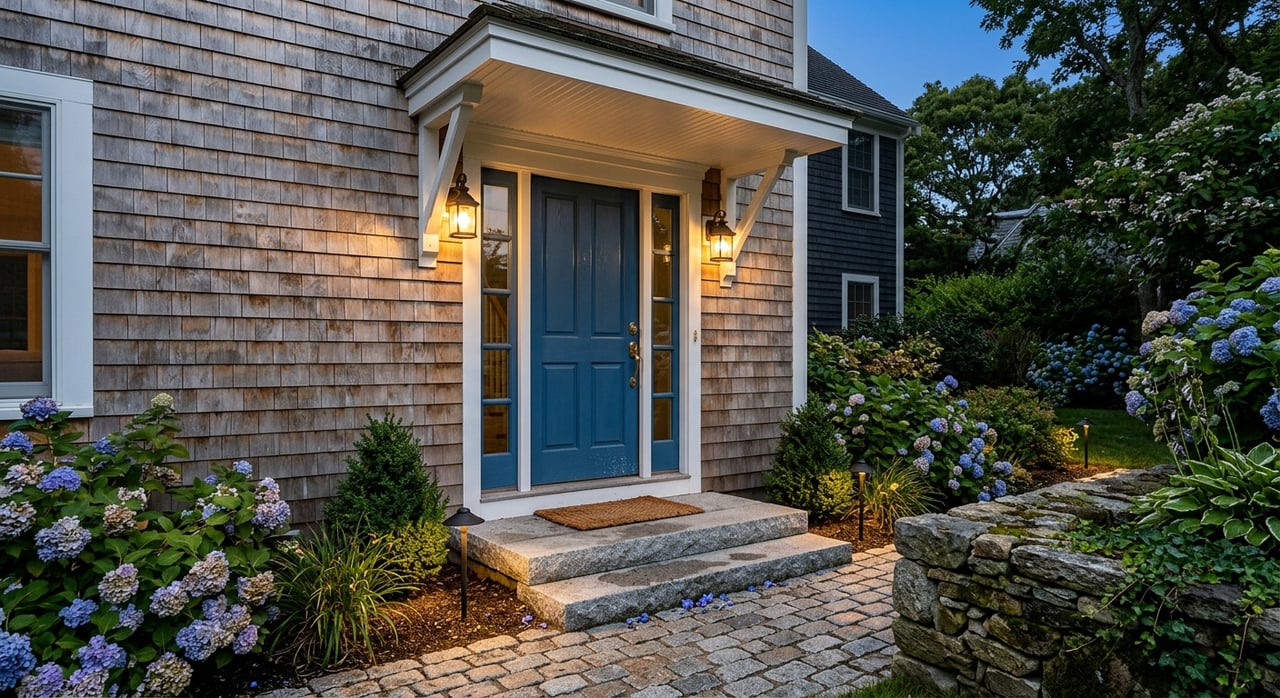
Want your Marshfield home to make a strong first impression before anyone steps inside? In a coastal town, curb appeal is not just about looks. It is about choosing updates that feel welcoming, photograph well, and can handle salt air, wind, moisture, and winter weather. If you are getting ready to sell or simply want your home to show its best from the street, these curb appeal ideas can help you focus on what actually works in Marshfield. Let’s dive in.
Start With Marshfield’s Coastal Reality
Marshfield sits in a coastal setting with beaches, marshes, tidal waterways, and sandy soils. The town also faces exposure to coastal flooding, erosion, hurricanes, tropical storms, and severe winter storms. On top of that, Marshfield averages about 48.8 inches of rain and 59 inches of snowfall each year.
That matters because the best curb appeal updates here do two jobs at once. They improve how your home looks from the street and hold up better in a climate shaped by salt, wind, and moisture. In many cases, simple, durable, low-maintenance choices are the smartest investment.
Focus First on the Front Entry
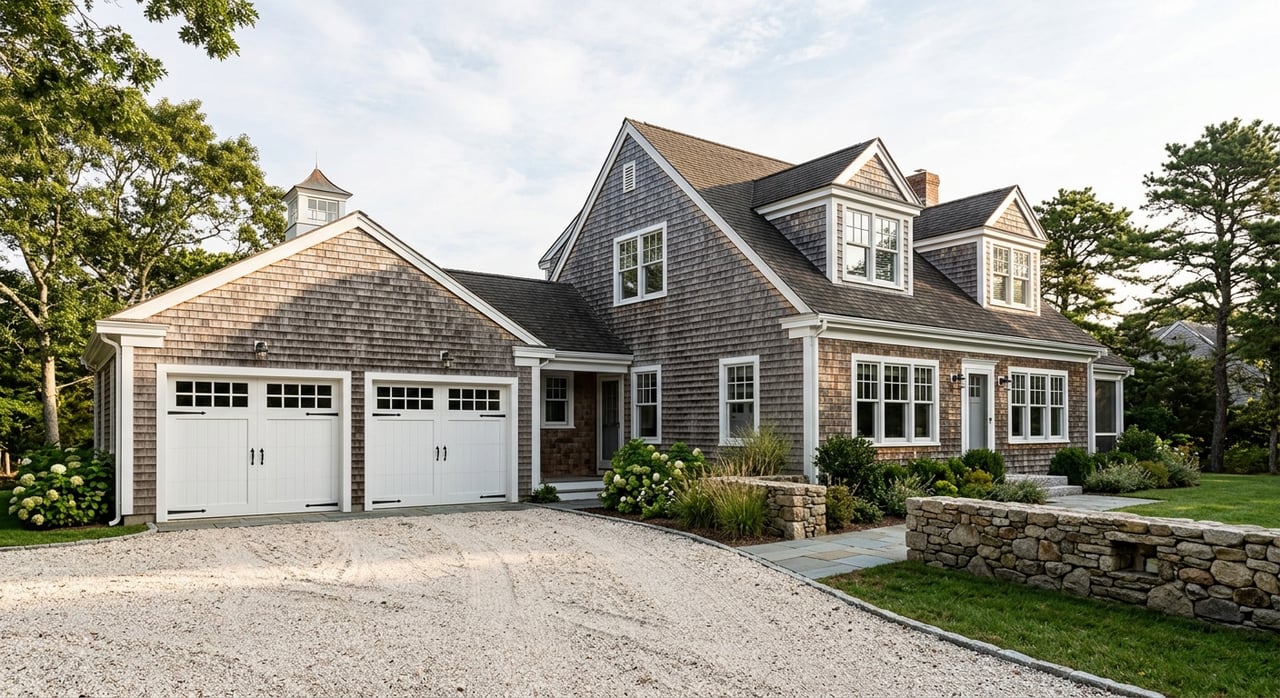
If you are deciding where to start, begin with the area buyers notice first. The front door, trim, lighting, windows, shutters, and house numbers often create the biggest visual impact for the lowest cost. A clean, intentional entry can make the whole home feel more cared for.
This is especially important if you are preparing to list. Professional photography can highlight a bright, polished front facade, and small upgrades at the entry often translate well both online and in person.
Refresh the Front Door
A front door update is one of the fastest ways to change the feel of your exterior. If the door is faded, worn, or chipped, a fresh coat of paint can help it stand out in listing photos and drive-by impressions.
In Marshfield, it makes sense to choose finishes that can better tolerate coastal wear. The goal is a look that feels crisp and welcoming, not overly trendy or hard to maintain.
Make Hardware and Numbers Visible
Small details can have a big effect. Clean, updated door hardware and easy-to-read house numbers help the front of the home feel finished and functional.
Visibility matters, too. Buyers, guests, and delivery drivers should be able to spot the address quickly from the street, especially during darker winter afternoons or bad weather.
Add One or Two Statement Pieces
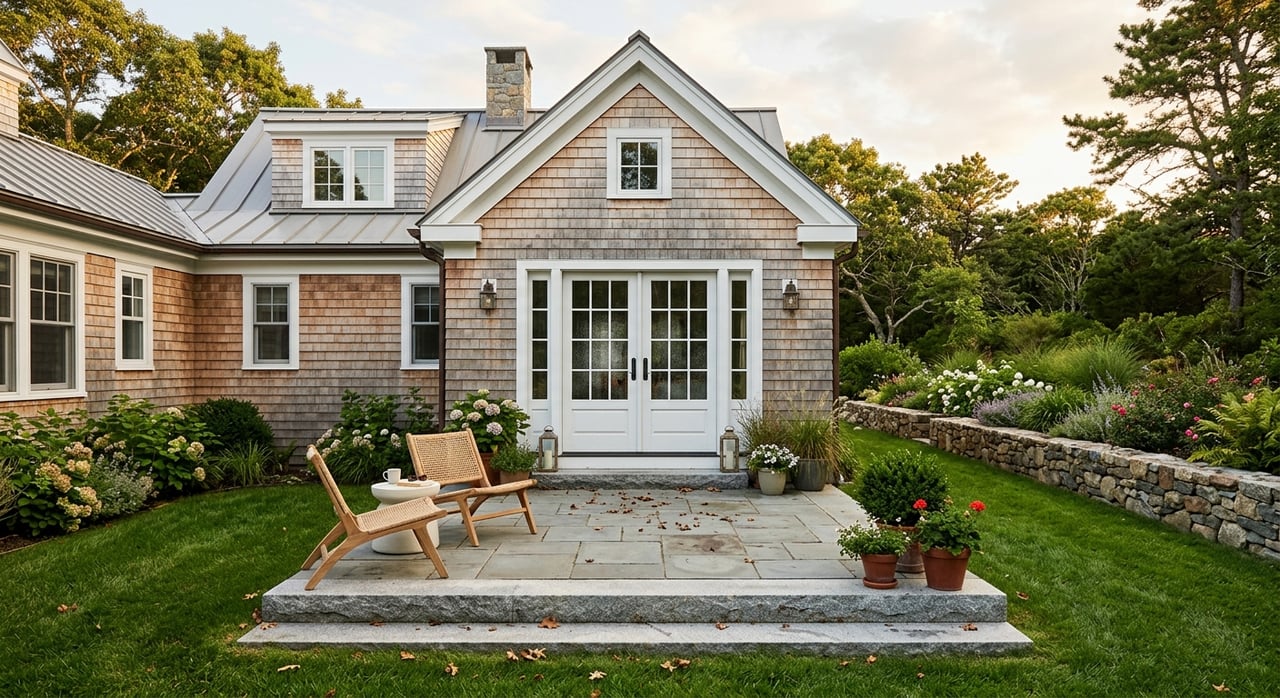
A pair of large planters, a simple bench, or another well-scaled accent near the entry can help the home stand out. These details work best when they look intentional and not overcrowded.
For Marshfield homes, less is often more. A clean coastal look usually feels more timeless than too many decorative accessories.
Keep Landscaping Neat and Coastal-Smart
Landscaping does a lot of heavy lifting for curb appeal, but in Marshfield, plant choices should be based on local conditions. Coastal landscapes often deal with salt spray, wind, poor soil, dry conditions, storms, and shifting sands.
That is why a tidy, resilient landscape usually works better than a high-maintenance one. Native and naturalized plants adapted to coastal conditions can require less upkeep and may help with erosion control in some settings.
Choose Plants That Can Handle Coastal Conditions
For Marshfield homes, a practical plant palette can still look polished and attractive. Coastal-tolerant options identified by UMass Extension include:
- bearberry
- creeping juniper
- beach plum
- northern bayberry
- inkberry
- winterberry
- eastern red cedar
- shadbush
- highbush blueberry
These choices can help your landscaping look intentional while standing up better to the realities of a coastal New England environment.
Build Layers Instead of One Flat Row
Layered planting can add depth and soften the front of the home. UMass Extension notes that layered plant screens can help shelter less tolerant plants from wind and coastal exposure.
That does not mean your front yard needs a major redesign. Even a simple combination of low groundcover, medium shrubs, and a few taller anchor plants can create a more finished look.
Improve Sandy Soil Before Planting
In Marshfield, sandy soil can make new landscaping more challenging. UMass recommends adding organic material to sandy soil, avoiding deep planting, and watering new plants regularly during the first growing season.
Mulch also helps. A 2- to 3-inch layer can help retain moisture and keep beds looking more polished.
Plan for Winter Salt Damage
Salt near roads, sidewalks, and driveways can be tough on plants. UMass notes that dissolved salt in runoff can damage landscaping, which is why salt-tolerant plants make sense in those areas.
If you are updating beds near hard surfaces, think beyond summer looks. The best curb appeal plans account for what happens after a long winter, too.
Use Lighting That Feels Warm and Inviting
Exterior lighting can change how a home feels in person and in photos. In most cases, warm, welcoming light is a better choice than harsh, cool-toned fixtures.
Mass Save notes that ENERGY STAR-certified lighting can be attractive and energy-efficient, and the U.S. Department of Energy identifies LED as the current energy-efficient technology for exterior lighting. Dim-to-warm LED products are often designed around 2700K to 3000K at full output, which supports a softer, more inviting look.
Where Lighting Matters Most
You do not need to light every inch of the front yard. Focus on the areas that improve safety, visibility, and curb appeal most:
- the front door
- porch or stoop areas
- house numbers
- the main walkway
- driveway approach, if needed
The goal is a home that feels easy to approach and easy to photograph, especially during early evening showings or darker seasons.
Keep the Overall Look Clean
Some of the most effective curb appeal work is also the simplest. Clean lines, healthy landscaping, visible house numbers, and a well-maintained facade can make a home feel move-in ready before a buyer opens the door.
If you are getting your Marshfield home ready for the market, think in terms of consistency. Buyers respond well when the roofline, trim, entry, beds, and walkways all look maintained at the same time.
A Simple Marshfield Curb Appeal Checklist
Before photos or showings, review the exterior from the street and check for:
- a clean front entry
- fresh or well-kept paint on the door and trim
- visible, updated house numbers
- healthy and trimmed landscaping
- clutter-free walkways and porch areas
- warm exterior lighting
- a few well-proportioned accents, such as planters or a bench
Often, these basic improvements do more for presentation than larger projects that are expensive or hard to maintain.
Know When Permits May Matter
Not every exterior improvement is purely cosmetic. Marshfield’s permitting process applies to changes to structures, so if your project goes beyond maintenance or decoration, it is smart to check with the town before starting.
This is especially true if you are replacing, building, or changing exterior structural elements. A project that seems straightforward can still need review through the Building Department.
Wetlands and Buffer Zones Need Extra Care
If your property is near wetlands, dunes, tidal areas, or other resource areas, exterior work may be more regulated than you expect. Marshfield’s wetlands rules state that landscaping, vegetation removal, and other work that alters the 100-foot buffer zone is subject to setback standards and may require a Mitigation Permit.
The Conservation Commission also wants projects as far from resource areas as possible. So if your front or side yard borders a protected area, it is worth confirming requirements before making changes.
Why Small Exterior Updates Can Pay Off
Curb appeal is not only about attracting attention at the street. It also shapes how buyers feel about the rest of the property. NAR reports that 84% of consumers said completing an exterior project made them want to remodel other areas of the home or yard.
That is a helpful reminder for sellers. A modest investment in exterior presentation can create a stronger overall impression, which can influence how buyers perceive the home from the moment they arrive.
The Best Marshfield Approach Is Practical and Polished
The most effective curb appeal ideas for Marshfield homes are usually not the flashiest ones. They are the updates that make your home look neat, welcoming, and well cared for while standing up to coastal weather and seasonal wear.
If you are thinking about selling, the right exterior improvements can also help your home shine in professional photography and create a stronger first impression with buyers. For tailored advice on which updates make the most sense for your property, schedule a complimentary home consultation or get your instant home valuation with Brita Sheehan.
FAQs
What curb appeal updates matter most for Marshfield homes?
- The most effective updates usually focus on the front entry, visible house numbers, neat landscaping, warm exterior lighting, and durable finishes that can handle salt, wind, and moisture.
What plants work well for coastal landscaping in Marshfield?
- UMass Extension identifies coastal-tolerant options such as bearberry, creeping juniper, beach plum, northern bayberry, inkberry, winterberry, eastern red cedar, shadbush, and highbush blueberry.
Do Marshfield landscaping projects ever need permits?
- Yes. If work changes a structure, it may fall under Marshfield’s building permit process, and work near protected resource areas may require additional review.
What should Marshfield homeowners know about wetlands before exterior work?
- If your property is near wetlands, dunes, tidal areas, or other protected resource areas, landscaping or vegetation changes within the 100-foot buffer zone may be subject to setback standards and could require a Mitigation Permit.
What kind of exterior lighting looks best for a Marshfield home?
- Warm, welcoming lighting tends to photograph better and feel more inviting than harsh, cool-toned fixtures, with LED lighting commonly used as an energy-efficient exterior option.
Why is low-maintenance curb appeal important in Marshfield?
- Marshfield’s coastal setting includes exposure to rain, snow, wind, salt, and storms, so durable and easy-to-maintain exterior choices often make the most practical long-term sense.